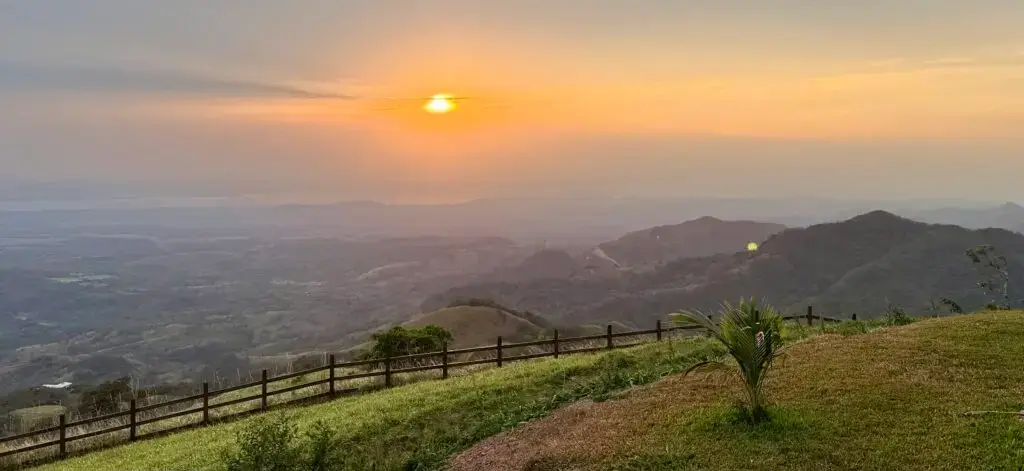
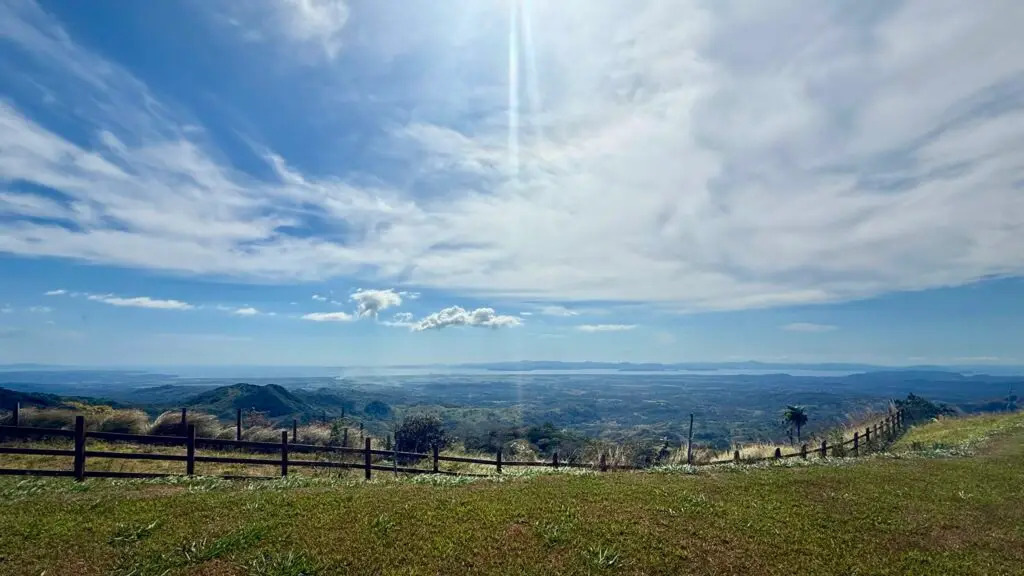
A morning in Velásquez. You’re sitting on the terrace with your coffee, the mountain air is fresh, the Miramar valley lies below you, and suddenly you hear it – a deep, primeval rumble echoing through the forest. Your heart skips a beat. What was that?
The Howler Monkey. Your new alarm clock.
Anyone considering moving to Costa Rica will sooner or later ask the same question: “What about the snakes? The spiders? Isn’t it dangerous?” It’s a legitimate question – and it deserves an honest, factual answer. Because yes, Costa Rica has an impressive and sometimes unsettling wildlife. But the reality of everyday life is completely different from what most people imagine.
This article gives you the complete overview – from the fascinating animals you’ll experience daily here, to a sober fact-check on the so-called “dangerous” species. With figures, statistics, and a focus on our region: Velásquez in the mountains directly above Miramar, on the Central Pacific coast of Puntarenas province.
A Small Country That Amazes the World
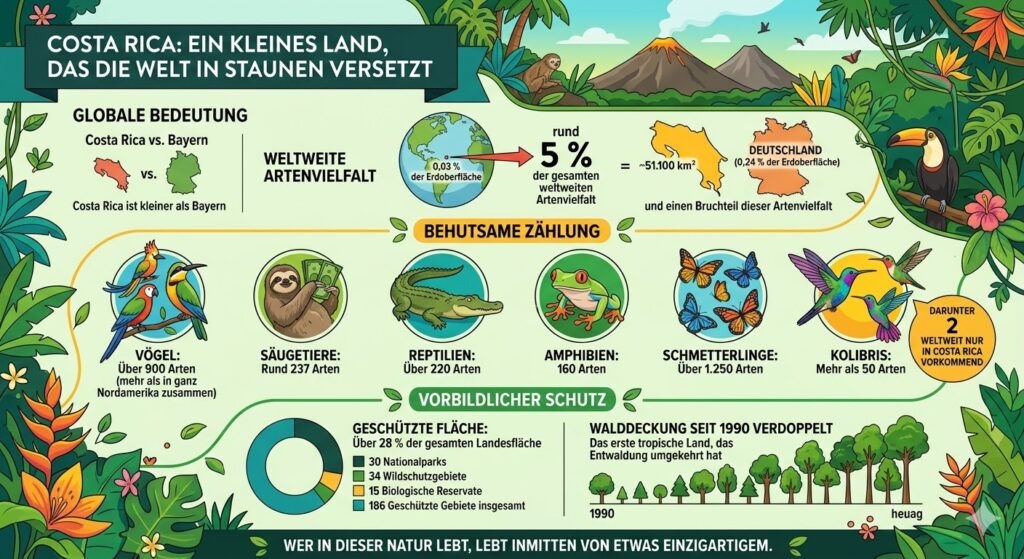
Costa Rica is smaller than Bavaria. Yet, this country, occupying just 0.03% of the Earth’s surface, harbors about 5% of the world’s total biodiversity. This is not a marketing phrase – it is a scientifically proven fact that has fascinated biodiversity researchers for decades. For comparison: Germany accounts for 0.24% of the Earth’s surface and is home to a fraction of this biodiversity.
Specifically, this means: Over 900 bird species (more than all of North America combined), around 237 mammal species, over 220 reptile species, 160 amphibian species, and an estimated over 1,250 butterfly species – about 10% of all known butterfly species worldwide. In addition, there are more than 50 hummingbird species, two of which occur only in Costa Rica worldwide.
And to ensure all of this remains protected: Over 28% of the total land area is under nature conservation. Costa Rica maintains 30 national parks, 34 wildlife refuges, and 15 biological reserves – a total of 186 protected areas. The country was the first tropical nation in the world to not only stop its deforestation but to reverse it. Since 1990, the forest area has doubled.
Those who live in this nature live amidst something unique.
What Truly Awaits You Around Velásquez
and on the Central Pacific Coast
Our house is located in Velásquez, high up in the mountains directly above the town of Miramar – in a location that is among the most picturesque in Costa Rica. Right here, on the Central Pacific coast of Puntarenas province, two worlds meet: the humid, species-rich highlands and the dry, sunny coastal plain. This transition zone is an ecological hotspot – and you feel it every day.
The Scarlet Macaw
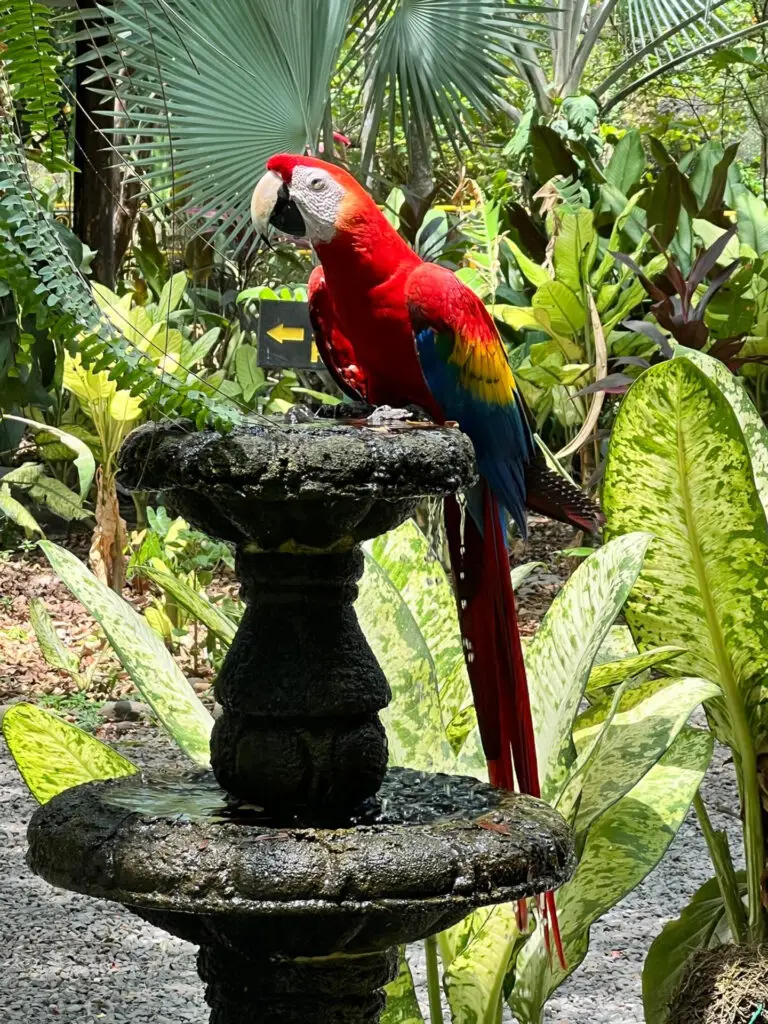
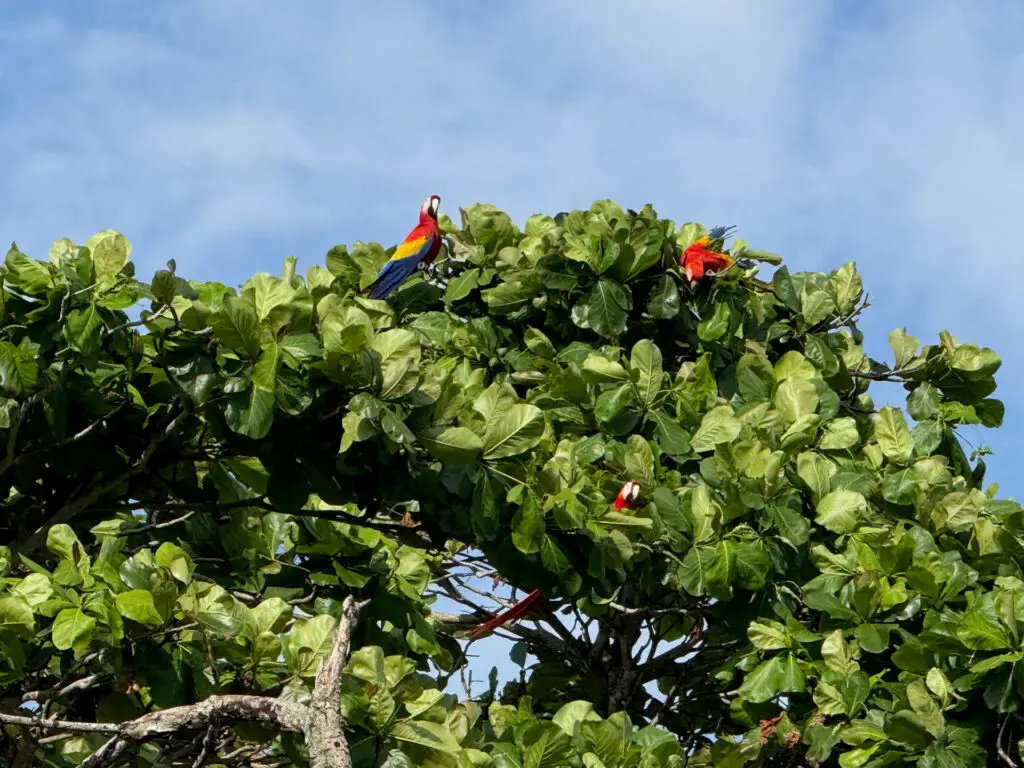
The Carara National Park, located only about 30 kilometers south of Velásquez towards the coast, is the best observation spot for Scarlet Macaws in all of Costa Rica. In the mornings, they fly from the mangrove forests of the Tárcoles estuary inland – and the route leads directly over our region.
What few people know: In 1994, there were only about 300 of these birds left on the Central Pacific coast. Today, there are over 2,000 again – the result of decades of dedicated conservation efforts. A success story that shows how seriously Costa Rica takes its nature conservation. Those who live in Velásquez benefit from it every morning.
The Howler Monkey – The World’s Loudest Land Animal
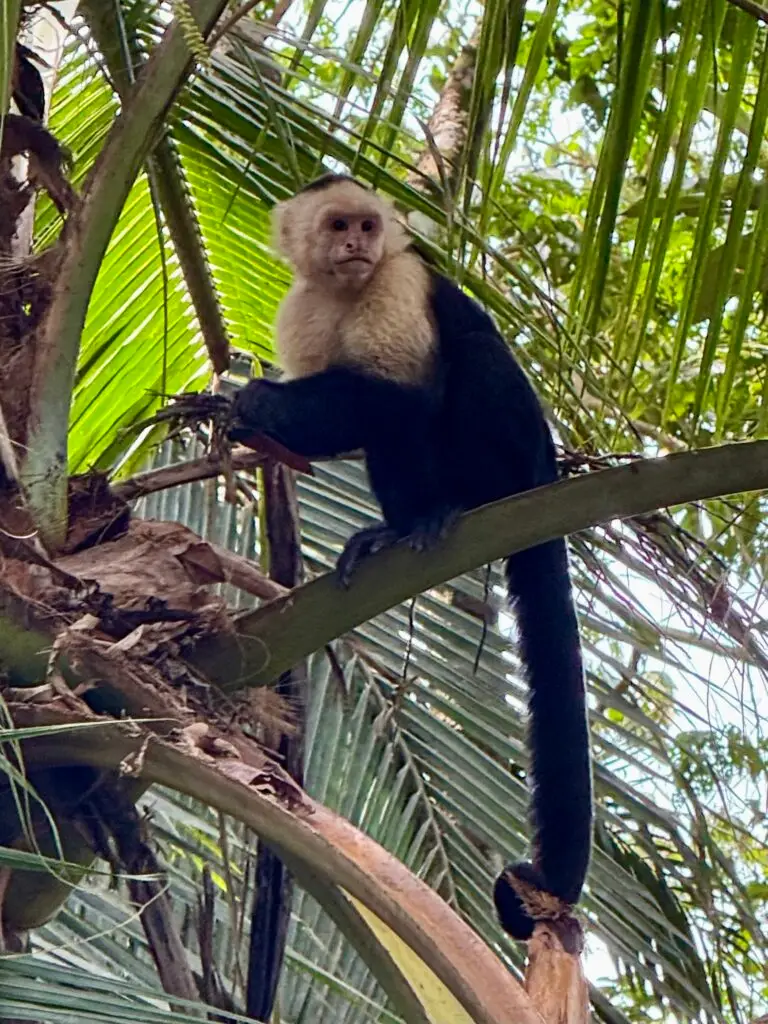
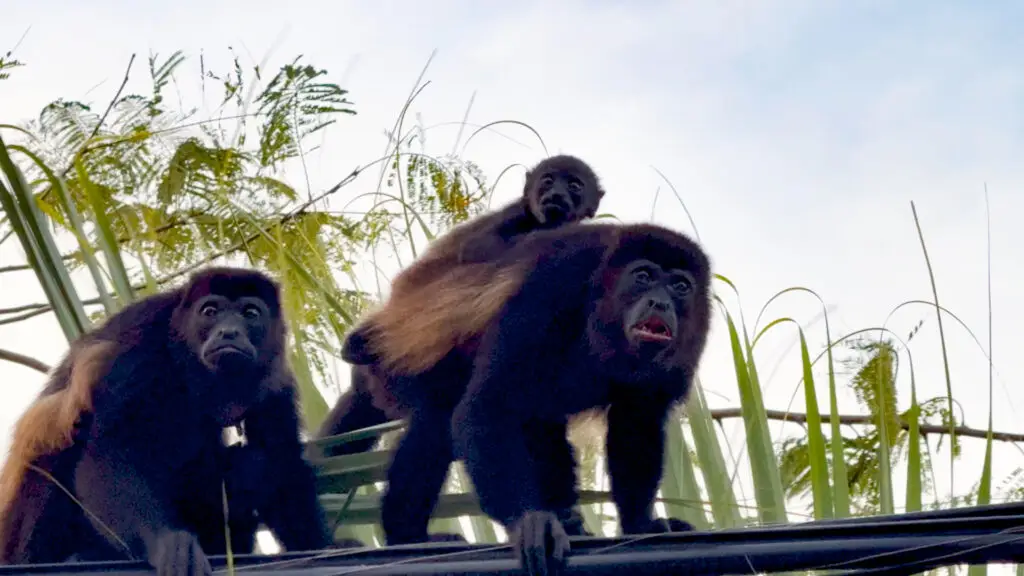
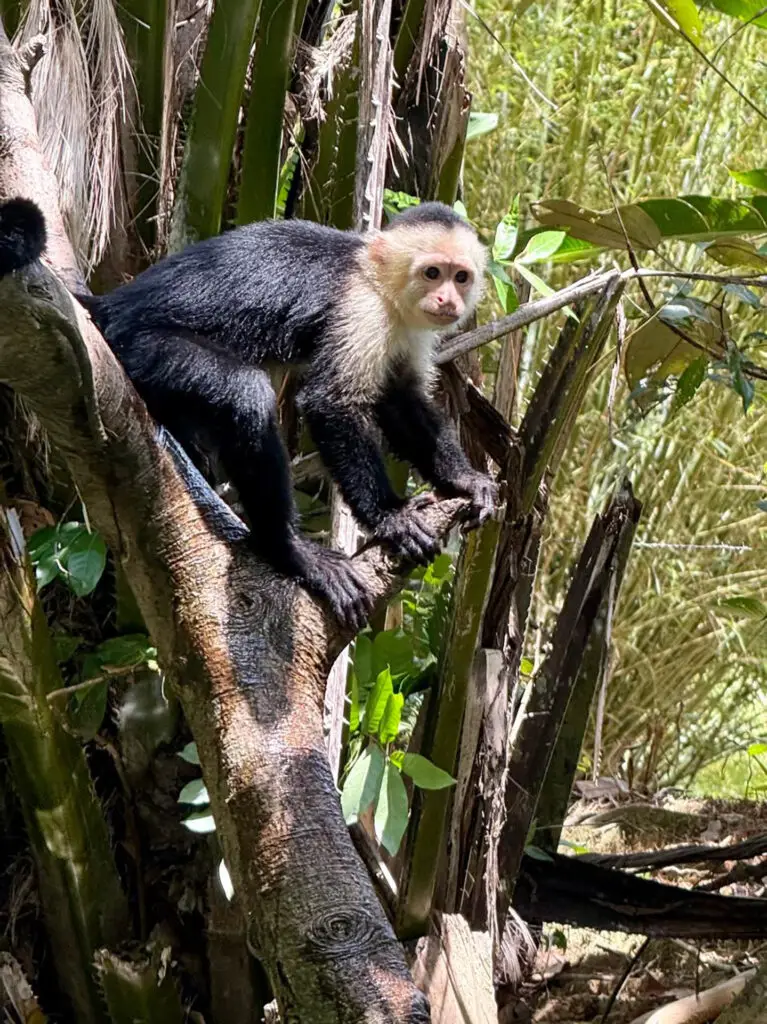
The sound you hear in the morning that initially sounds so eerie – that’s the howler monkey (Mono Congo). It is the loudest land animal on Earth. Its calls carry over five kilometers. And yes, it serves as a reliable, free alarm clock – long before sunrise.
In the forests around Velásquez and along the entire Central Pacific coast, all four Costa Rican monkey species live: howler monkeys, capuchin monkeys (the curious, intelligent petty criminals who like to steal food), spider monkeys, and the rare squirrel monkeys (Mono Titi). They are not dangerous. Do not touch, do not feed (it is illegal and harms the animals) – and the rest is pure pleasure.
Sloths – Costa Rica’s Iconic Mascot
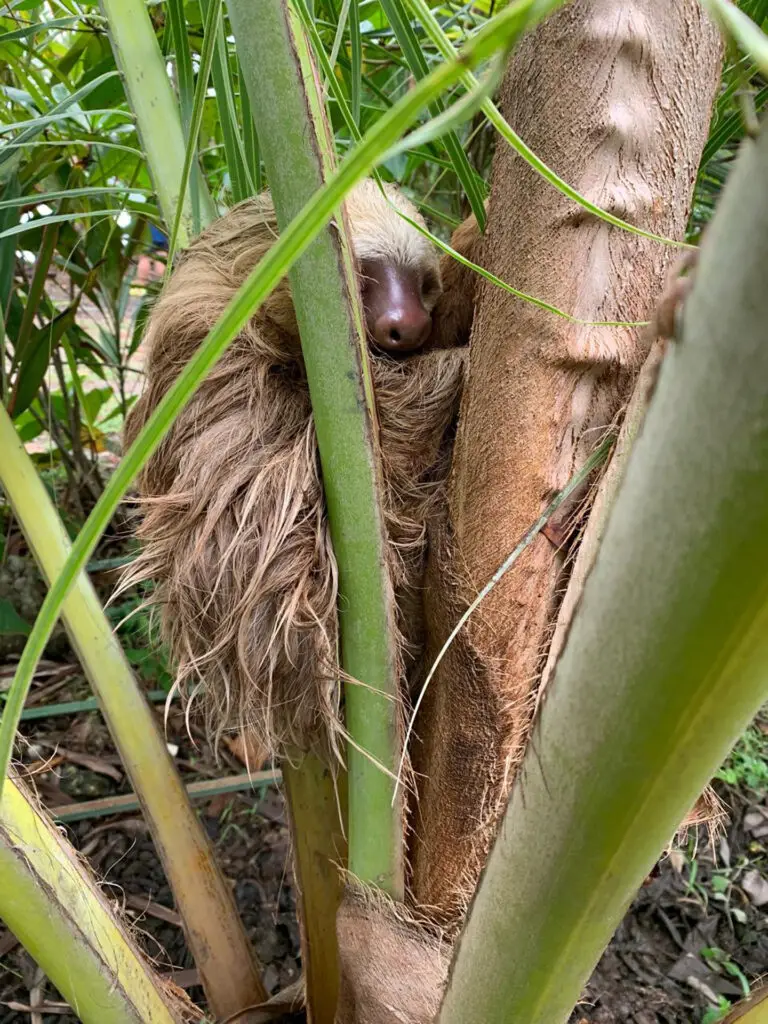
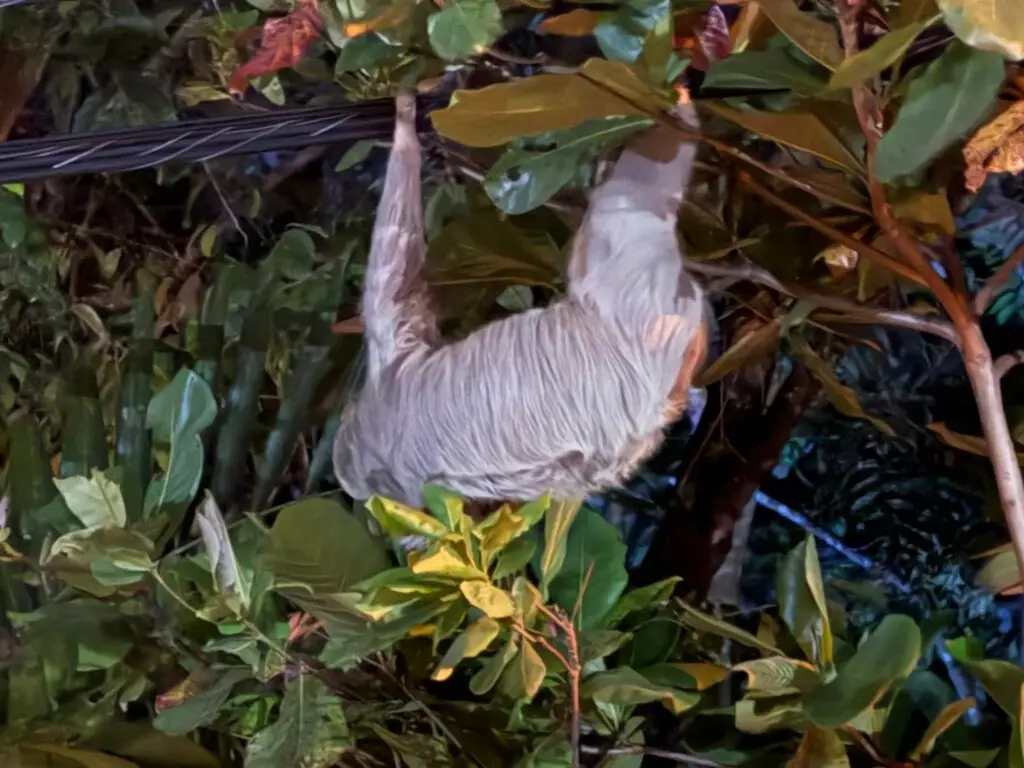
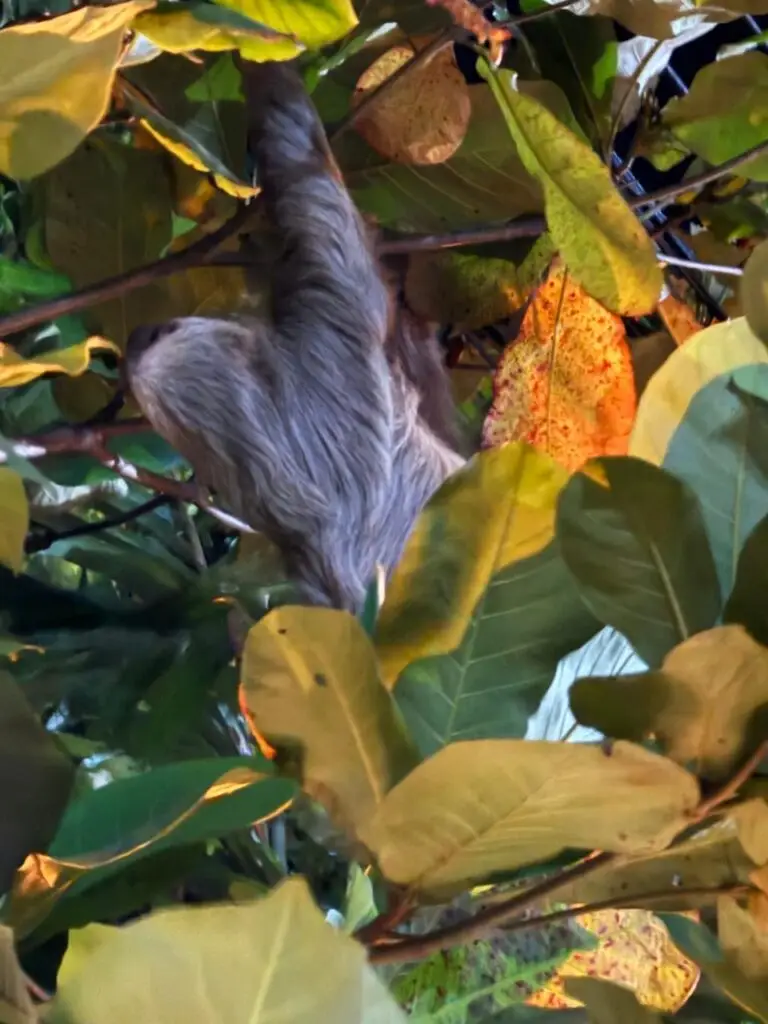
There are two species of sloths here: the nocturnal Hoffmann’s two-toed sloth and the diurnal brown-throated sloth – the “smiling” sloth often seen in photos. They sleep up to 20 hours a day and move leisurely through the treetops.
Both species are regularly seen in the forested areas of the mountain slopes above Miramar and along the coast to Manuel Antonio. Absolutely harmless, absolutely fascinating.
Toucans, Hummingbirds, and Much More…
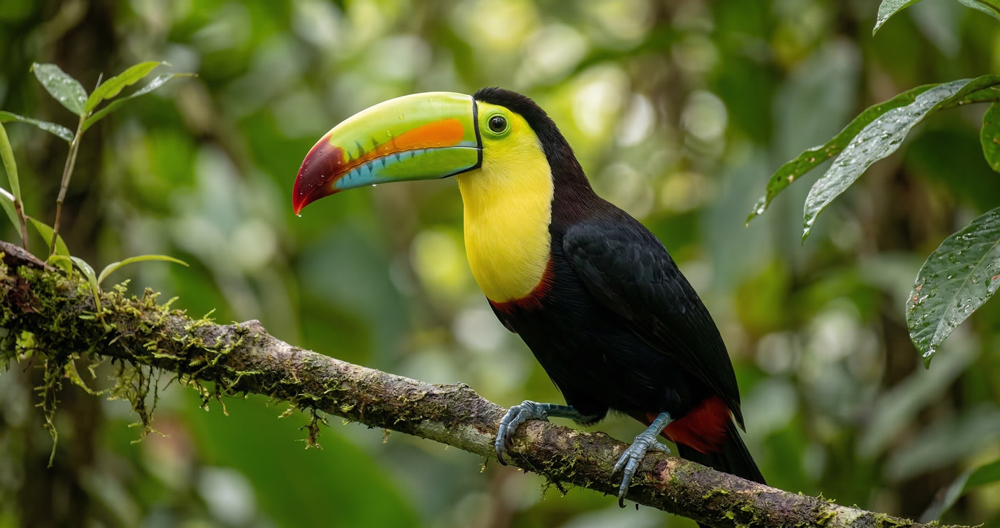
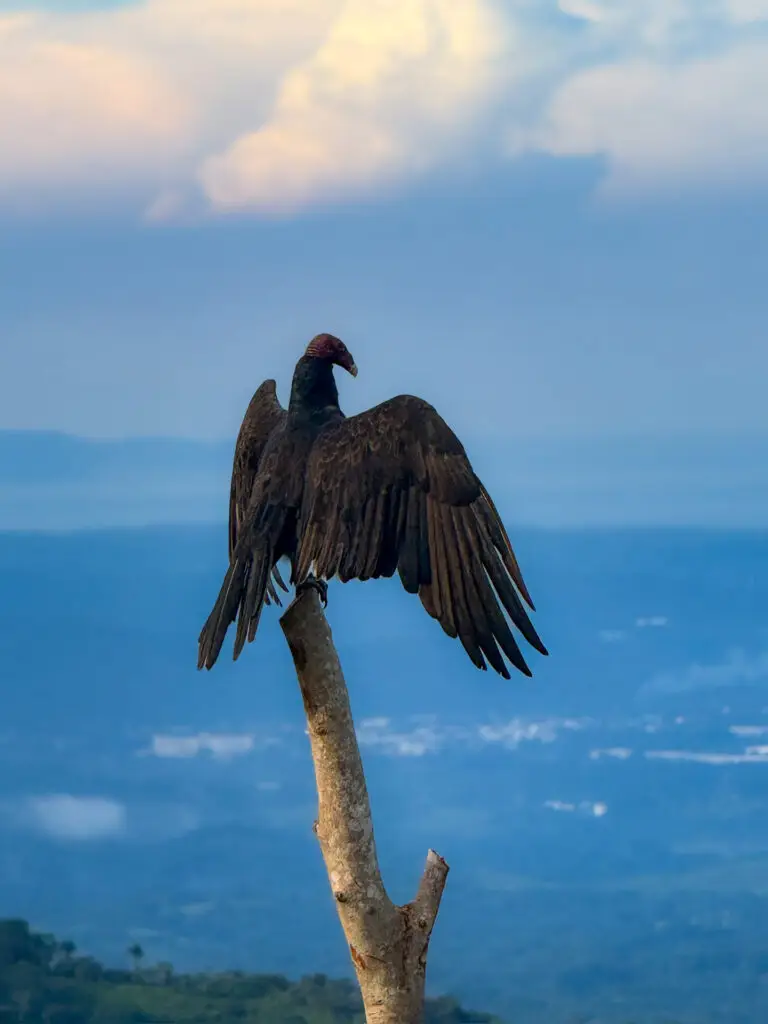
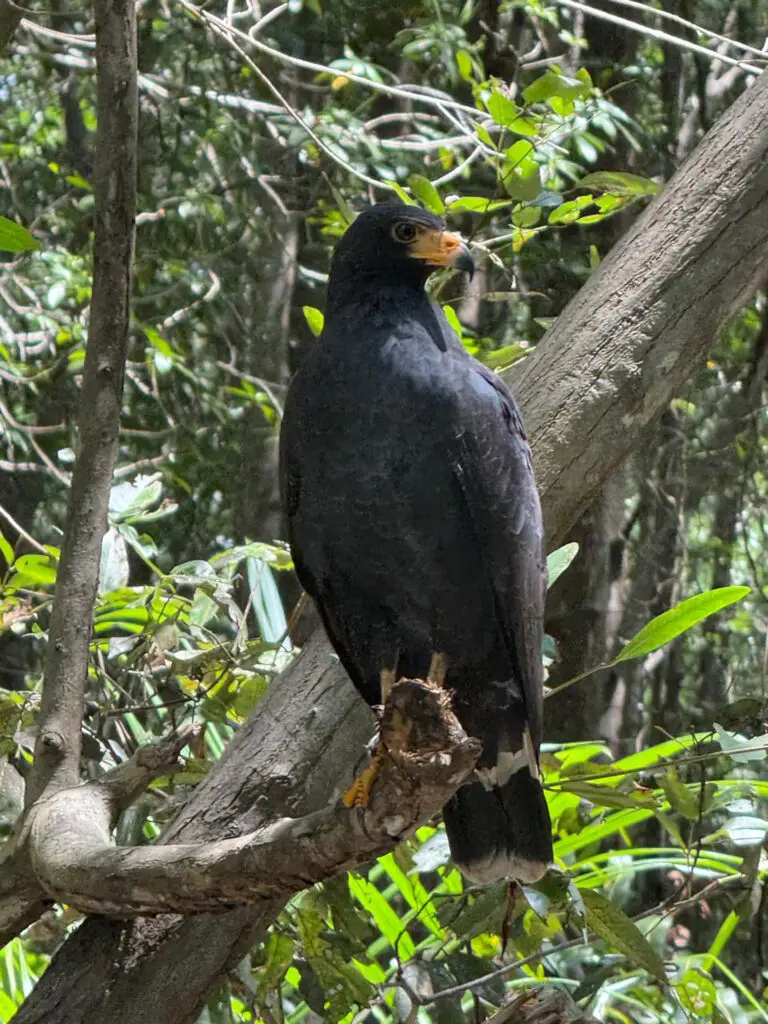
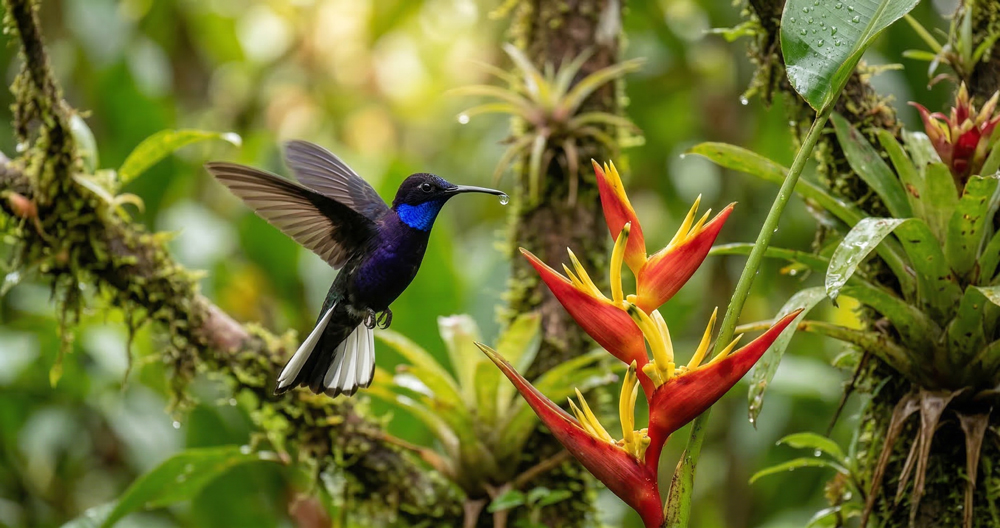
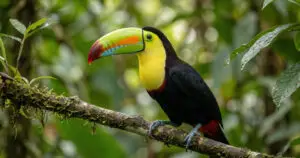
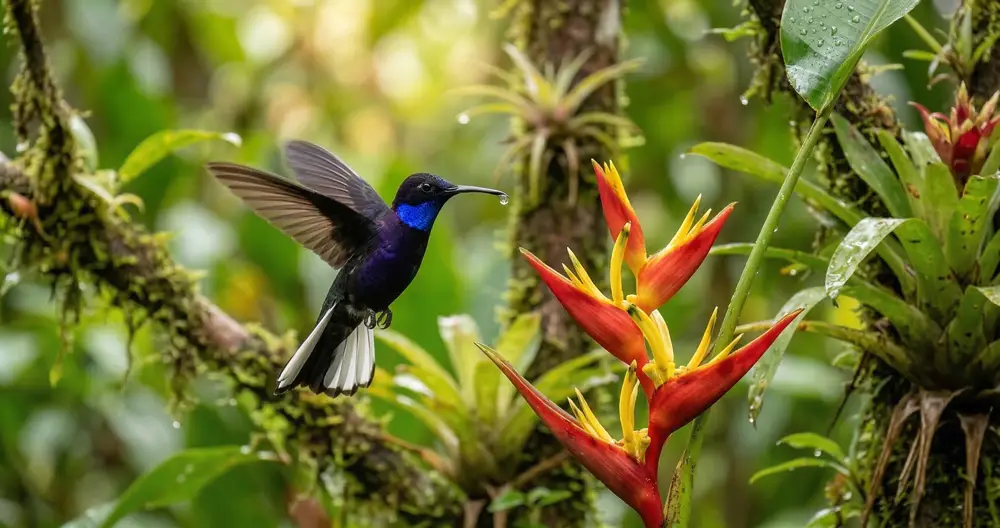
With over 900 bird species, Costa Rica is a paradise for anyone who appreciates nature – even if they are not avid birdwatchers. Sitting on your terrace in Velásquez and looking down at the valley, you will soon learn to recognize toucans: the Rainbow Toucan with its oversized beak is often seen, loud and colorful. Also, hummingbirds in all variations, herons, parrots, and countless songbirds.
The legendary Quetzal – sacred bird of the Maya, with tail feathers up to a meter long in males – lives in the cloud forests of higher altitudes, easily accessible from the mountains above Miramar towards San Gerardo de Dota. A day trip that remains unforgettable.
Just 30 kilometers away is Carara National Park, which hosts almost half of all Costa Rica’s bird species with over 420 species. World-class birdwatching right on your doorstep.
Whales, Dolphins, and Sea Turtles – The Pacific at Your Doorstep
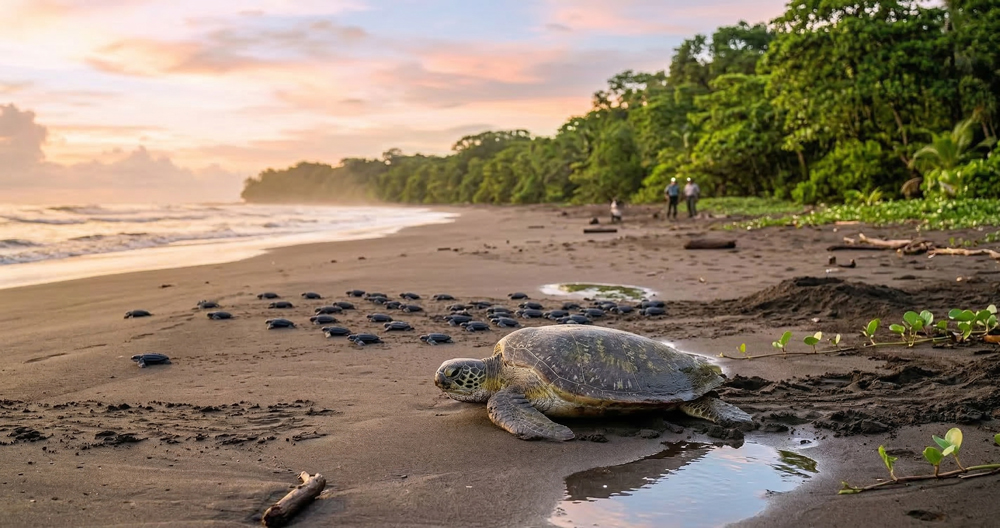
From Velásquez in the mountains above Miramar, it’s only about 30 kilometers to the Pacific. And this ocean has a lot to offer.
Costa Rica has the longest humpback whale season in the world. The reason: whales from both hemispheres gather here – humpbacks from Antarctica from July to November (peak August–October), North American humpbacks from December to March. National Geographic ranks the region among the 10 best whale watching spots worldwide. Marino Ballena National Park near Uvita – about two hours from Velásquez – is famous for its whale-tail-shaped sandbar and spectacular sightings.
Bottlenose and spotted dolphins are present year-round in Costa Rican waters. And five of the seven global sea turtle species nest in Costa Rica – including on Pacific coast beaches easily accessible from the mountains above Miramar.
The Honest Fact Check:
The “Dangerous” Animals
Now for the part you might have been eagerly anticipating. The answer upfront: The statistical risk from animals in Costa Rica for expats in residential areas is negligibly low. The probability of dying in a traffic accident in Costa Rica is 150 to 300 times higher than from a snakebite.
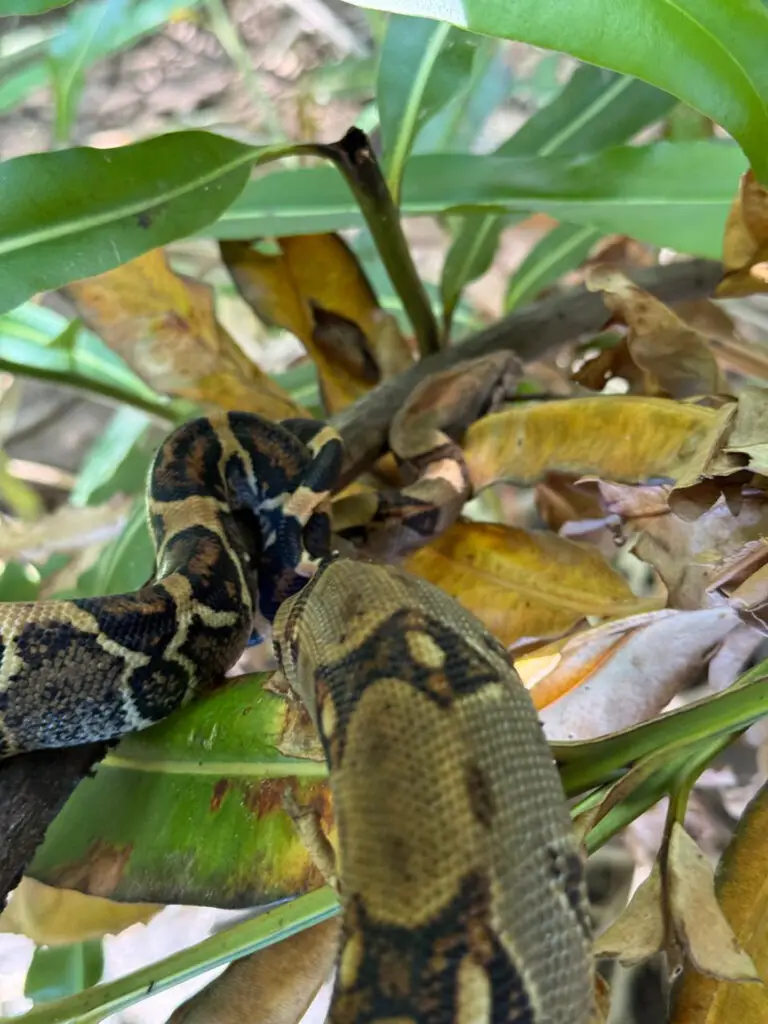
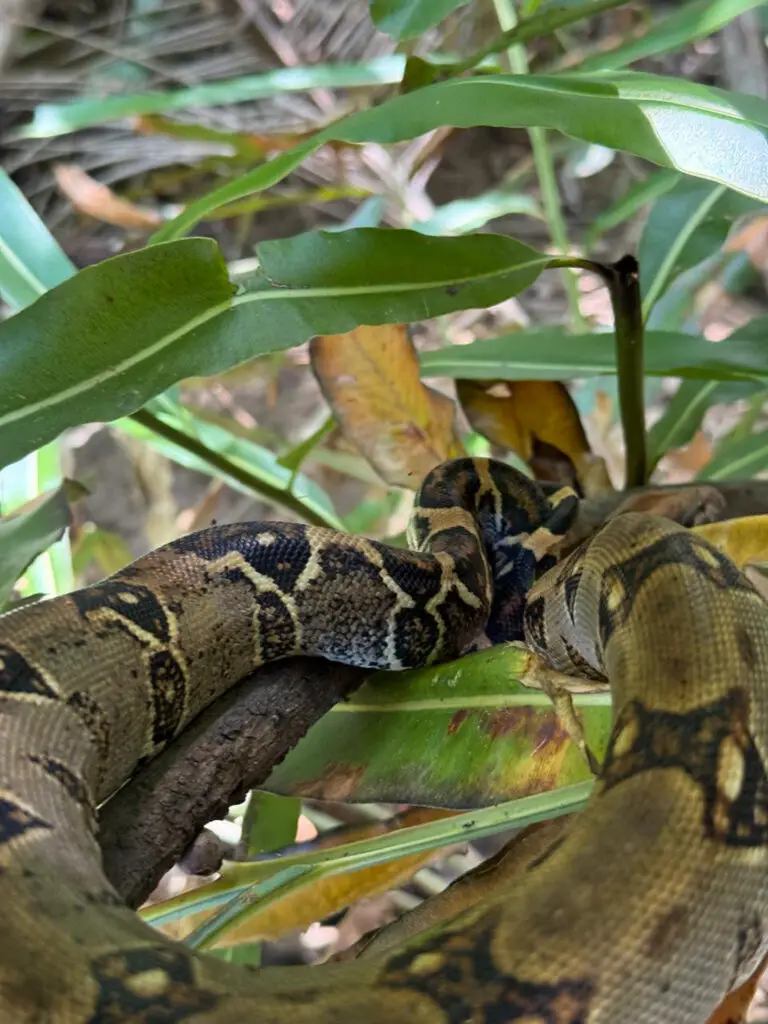
But let’s get specific.
Snakes: 140 Species, Only 22 Venomous – and World-Class Medicine
Costa Rica has around 140 snake species. Of these, only 22 to 23 are venomous – that’s just 16%. The most important is the Terciopelo (Fer-de-Lance), which occurs in humid lowland areas and especially in banana and palm oil plantations. It is nocturnal.
How high is the risk really? Numbers speak for themselves:
- Across Costa Rica (with 5 million inhabitants), only 500 to 600 snakebites are registered per year.
- The annual number of fatalities ranges from 0 to 5 – averaging 1 to 3.
- The mortality rate has decreased by 96% since the 1950s.
Who dies? Mainly young male agricultural workers in remote plantations, often far from medical care. For someone living in Velásquez – high above the valley, in a fenced house on a well-maintained 5,000 m² property – the risk is statistically negligible.
The reason for this low death rate: Costa Rica has one of the world’s leading snake venom research institutes, the Instituto Clodomiro Picado. It produces 120,000 to 130,000 doses of antivenom annually, which is available free of charge in all public hospitals – even at the level of local health centers (EBAIS). 74% of patients receive their antivenom from the initial treating physician.
For comparison: In India, around 58,000 people die from snakebites annually. In Costa Rica, it’s 1 to 3.
What do you do if there’s a snake in the garden? You call the fire department (Bomberos) at 911. They are trained for this. In 2022 alone, there were over 5,700 snake-related fire department calls in Costa Rica. This is part of the normal service here.
Scorpions: Painful, but Not Dangerous
Costa Rica has 14 scorpion species. The most important message: Not a single one is deadly to humans. This is officially confirmed by the Instituto Clodomiro Picado. A sting feels like a painful wasp sting, subsides after 10 to 15 minutes, and has no further consequences.
A small advantage of Velásquez’s altitude: In the cooler mountains above Miramar, scorpions are generally rarer than in the hot lowlands directly on the coast. Nevertheless, a simple habit is to shake out shoes and clothes in the morning.
Spiders: Less Dangerous Than Their Reputation
Costa Rica has around 2,000 spider species, including about 40 tarantula species. The notorious “Brazilian wandering spider” does occur, but: The species living in Costa Rica are significantly less venomous than the truly dangerous variant, which is restricted to Brazil, Argentina, and Paraguay. There are no documented deaths from spider bites in Costa Rica. Tarantulas look impressive but are almost harmless to humans – they only bite in self-defense, and their venom is comparable to a wasp sting.
Crocodiles: Clear Rules, Clear Safety
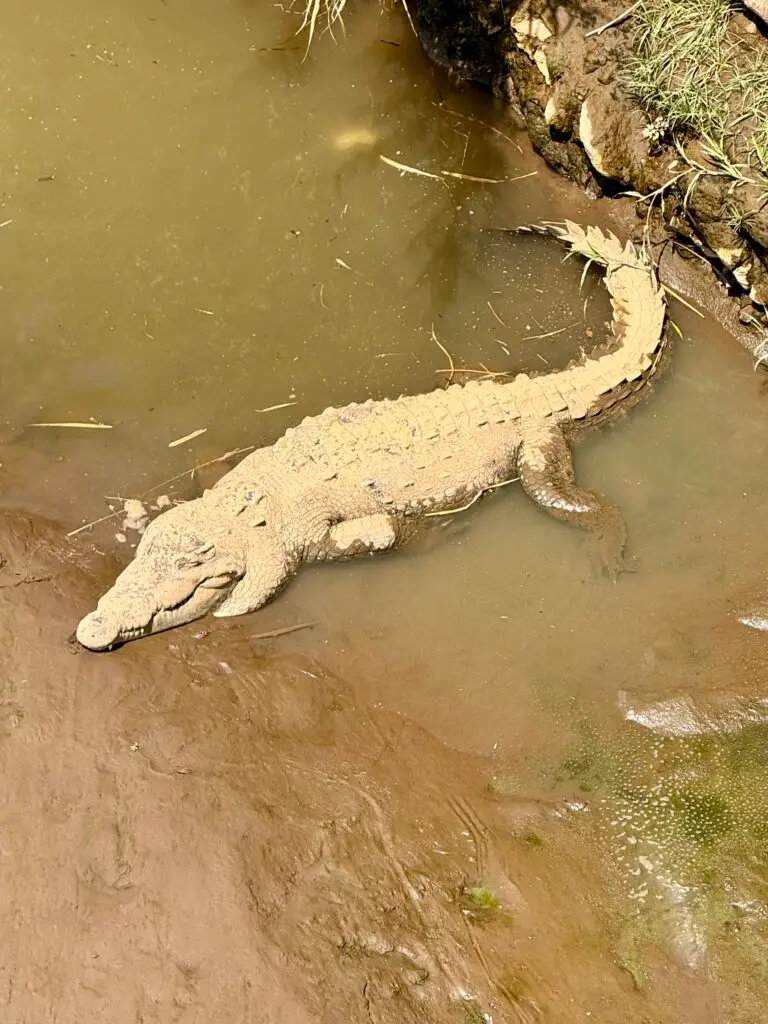
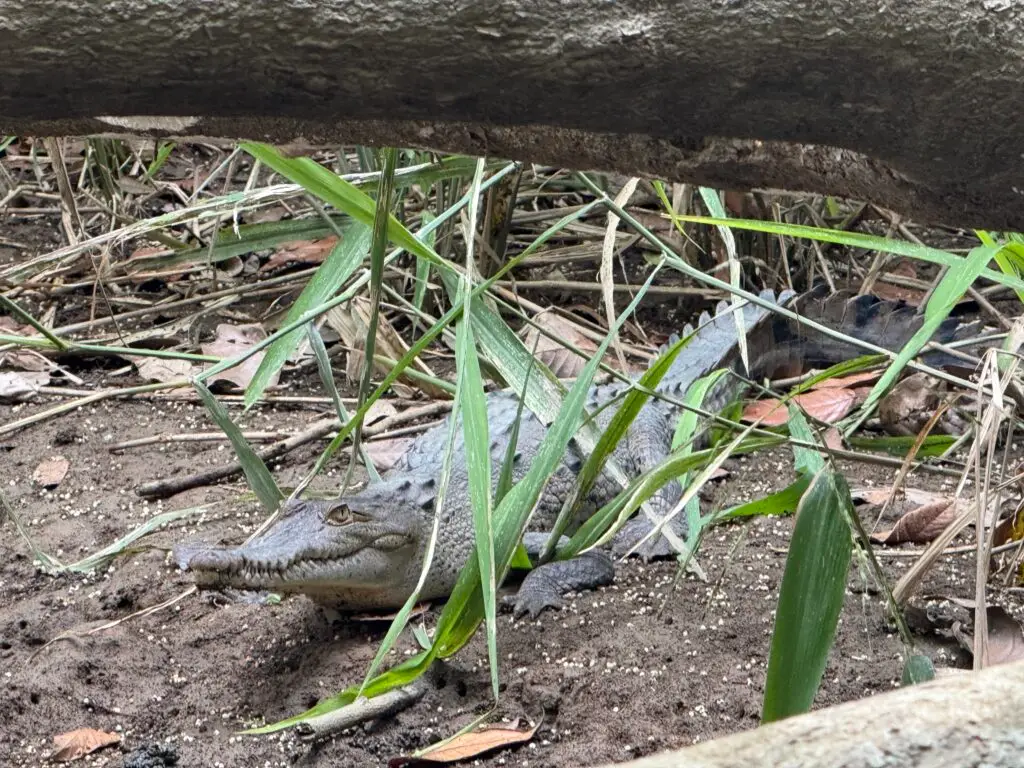
Yes, Costa Rica has crocodiles – and they are impressive. The famous Tárcoles Bridge, less than 30 kilometers from Velásquez, is a popular tourist stop because up to 20 crocodiles can be seen basking in the sun there at once. An attraction, not a threat.
In 28 years (1990–2017), 62 attacks were registered nationwide – an average of less than 2.5 per year. The rule is simple: Never swim in river mouths, mangrove forests, or murky waters. On open ocean beaches far from river mouths, there are no crocodiles. Those who follow this rule will have no problems.
And for everyday life in the mountains above Miramar, it’s simply not an issue: crocodiles live exclusively in lowlands, rivers, and coastal regions.
Sharks: A Statistical Non-Issue
In over 400 years, only 5 confirmed unprovoked shark attacks have been documented in Costa Rica. Florida alone has more shark attacks in one month than Costa Rica in 400 years. The risk on Costa Rican beaches is statistically negligible.
Mosquitoes and Dengue: The Real Issue, But Manageable
Honesty is important: Dengue fever is the most relevant mosquito-borne disease in Costa Rica. It is transmitted by the Aedes aegypti mosquito. 2024 was a bad year with ~31,000 cases nationwide; in 2025, numbers dropped by over 80%. The mortality rate is around 0.15%.
Here’s a real advantage of the altitude: In elevations above about 1,000 meters – like in Velásquez, high up in the mountains directly above Miramar – dengue mosquitoes are significantly less active than on the hot coast. This is no coincidence, but biology: the Aedes mosquito prefers warm, humid lowlands. Those who live up there simply have fewer mosquito problems.
Malaria is practically eliminated in Costa Rica: In 2025, there were only 11 local cases nationwide (2023: still 544). PAHO named Costa Rica the “Malaria Champion of the Americas” in 2024.
Practical precautions: screens on windows and doors, eliminate standing water, DEET repellent during the rainy season. That’s all.
Everyday Life: What Truly Awaits You in the Garden in Velásquez
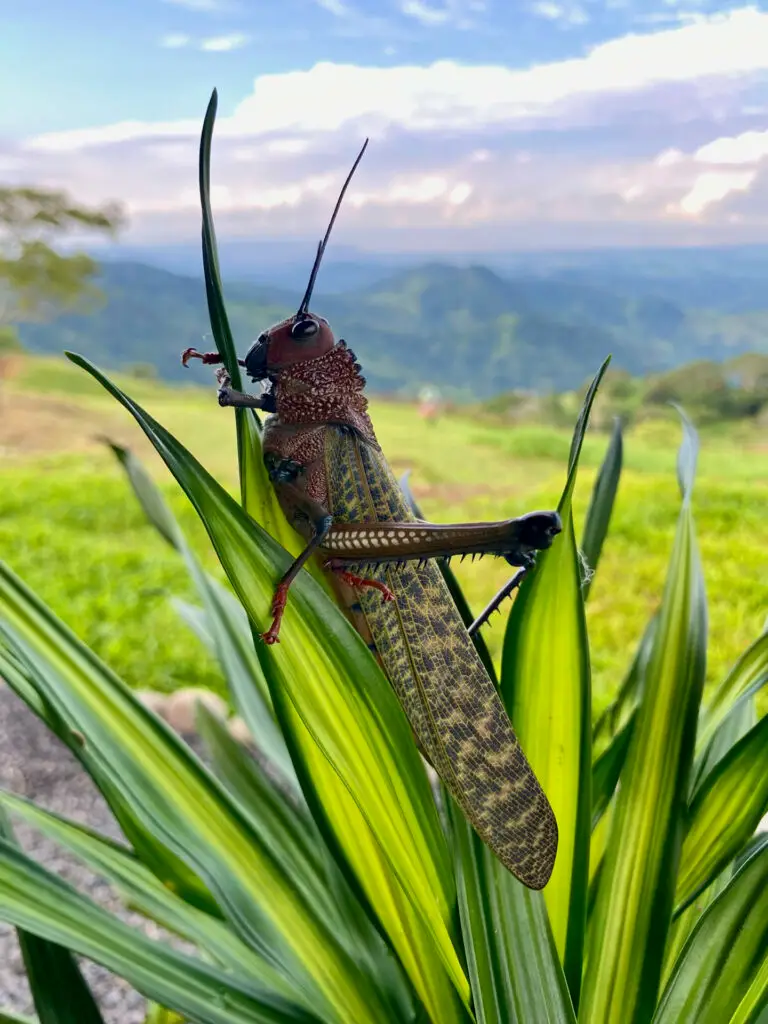
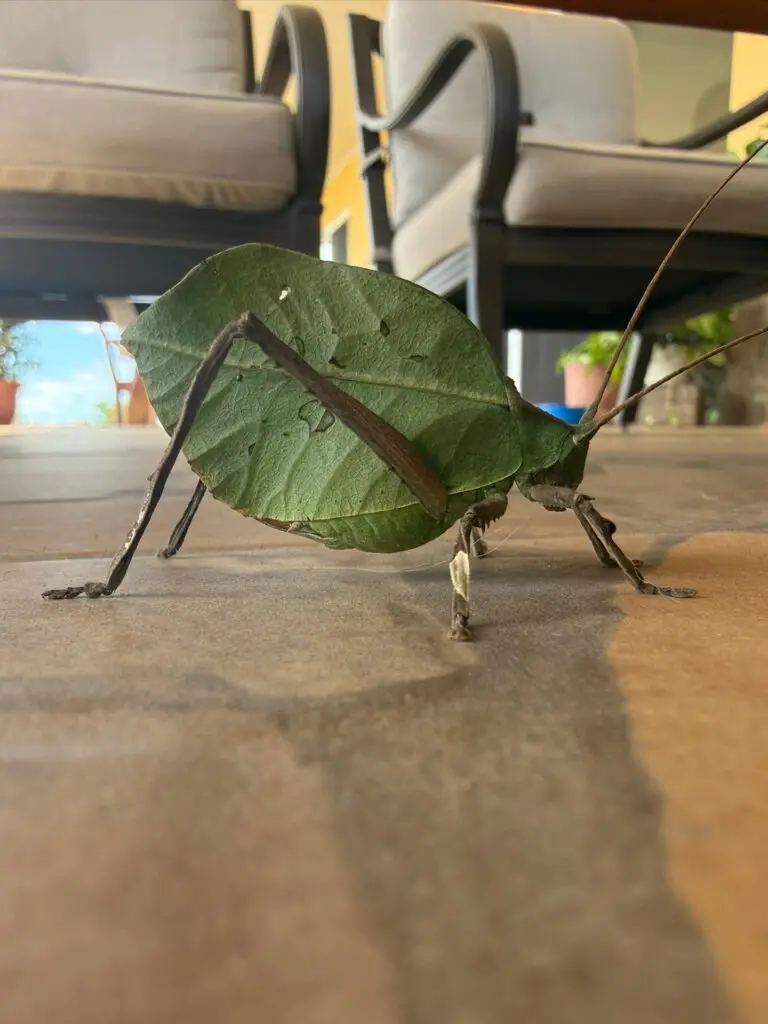
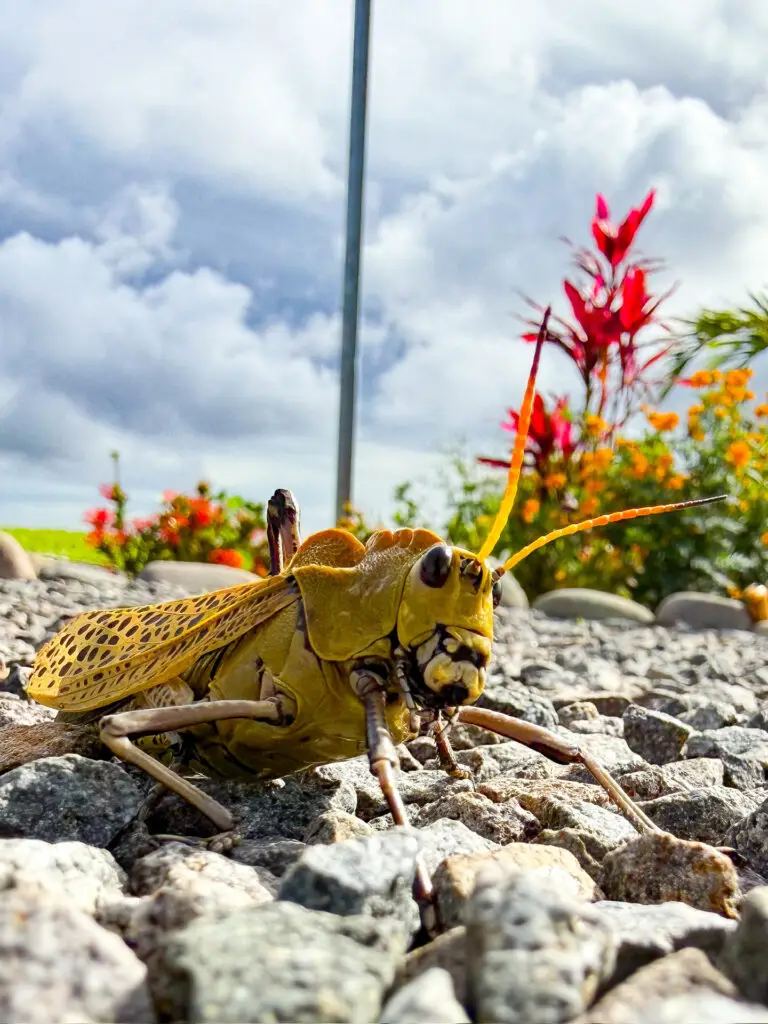
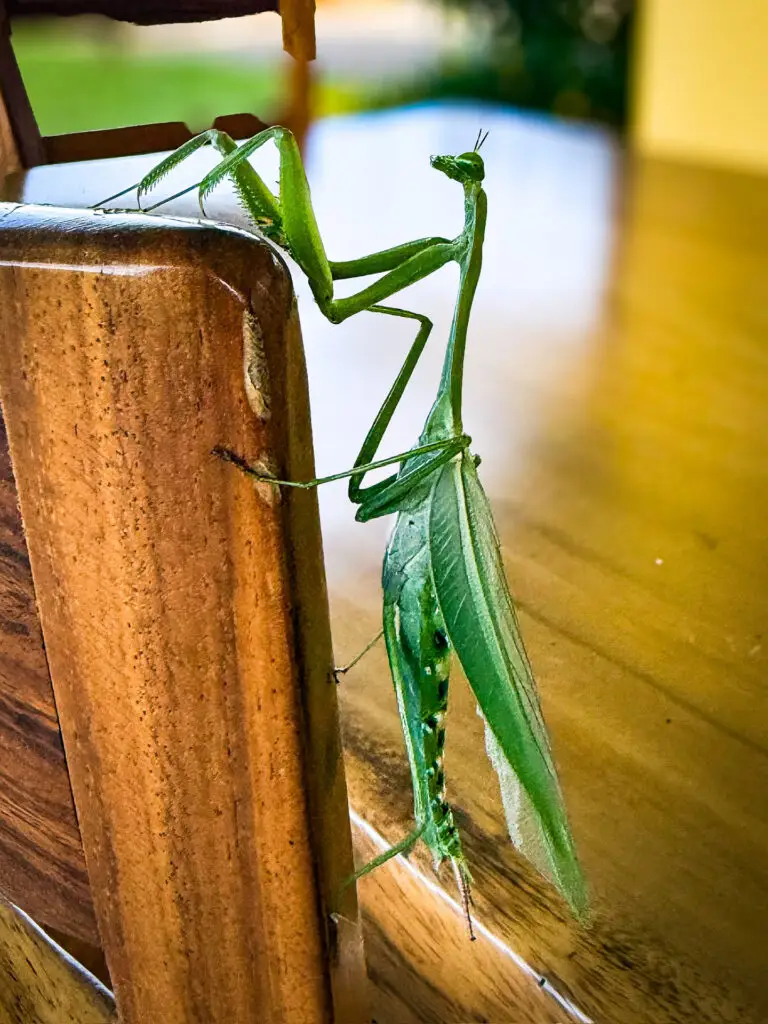
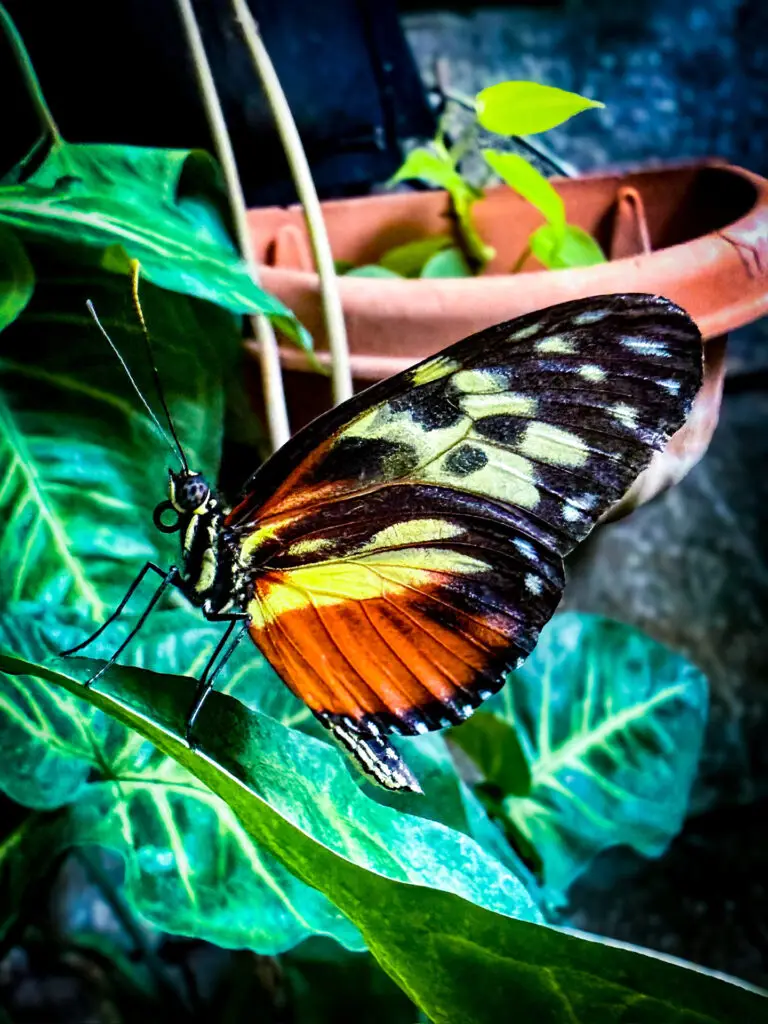
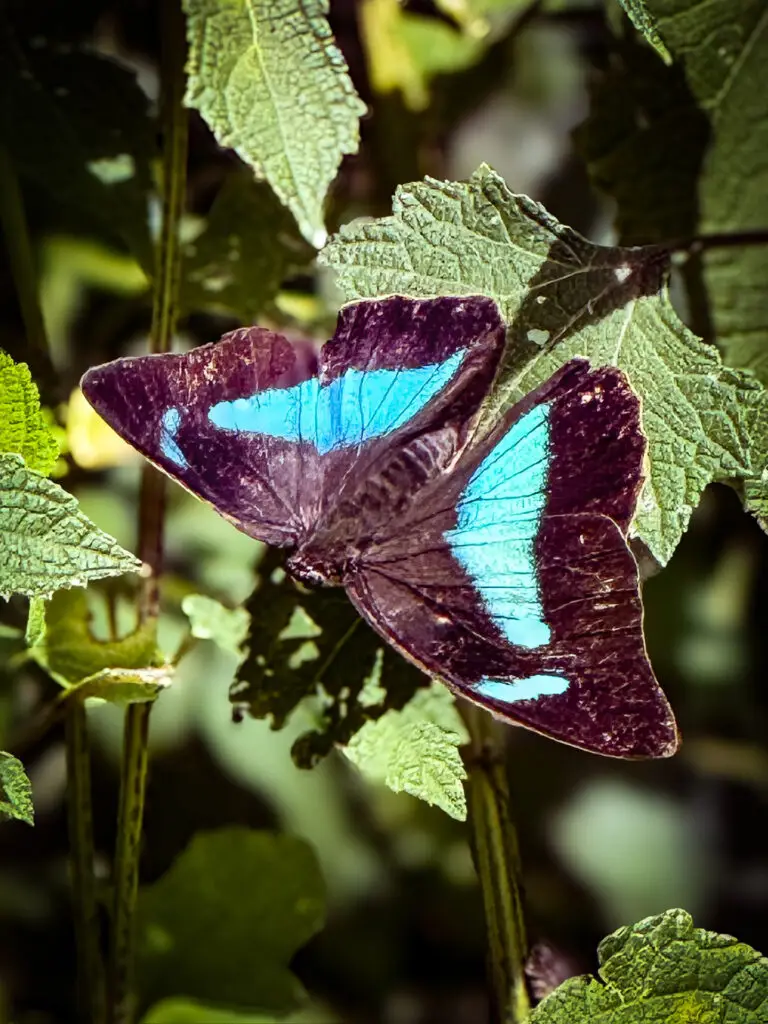
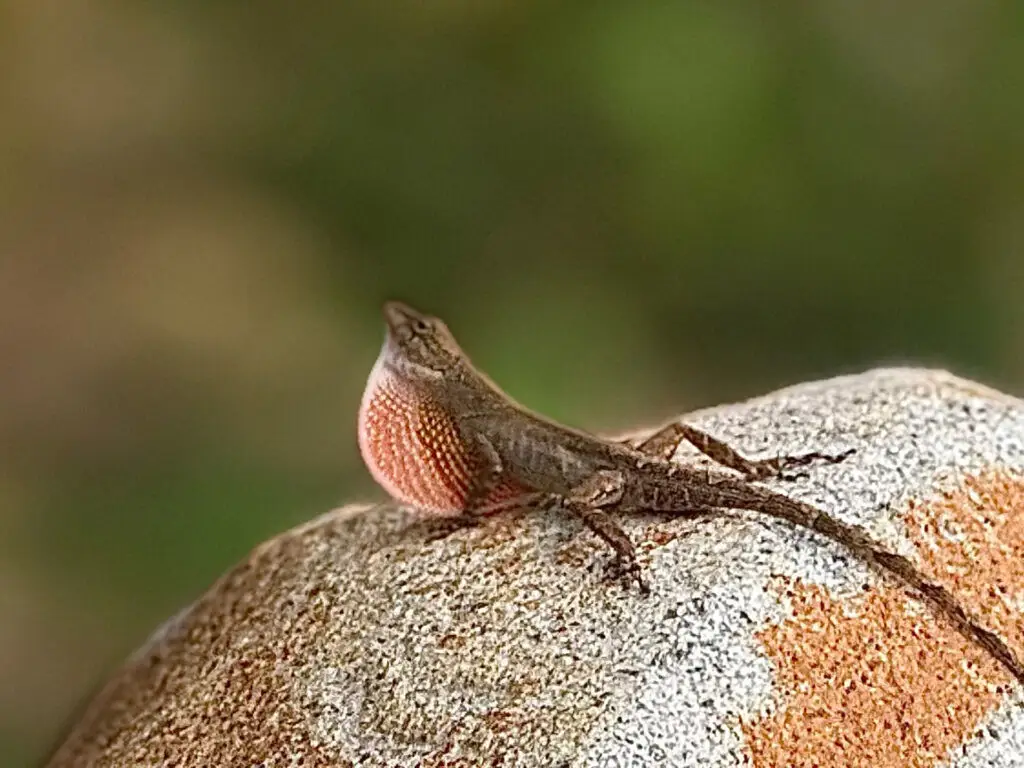
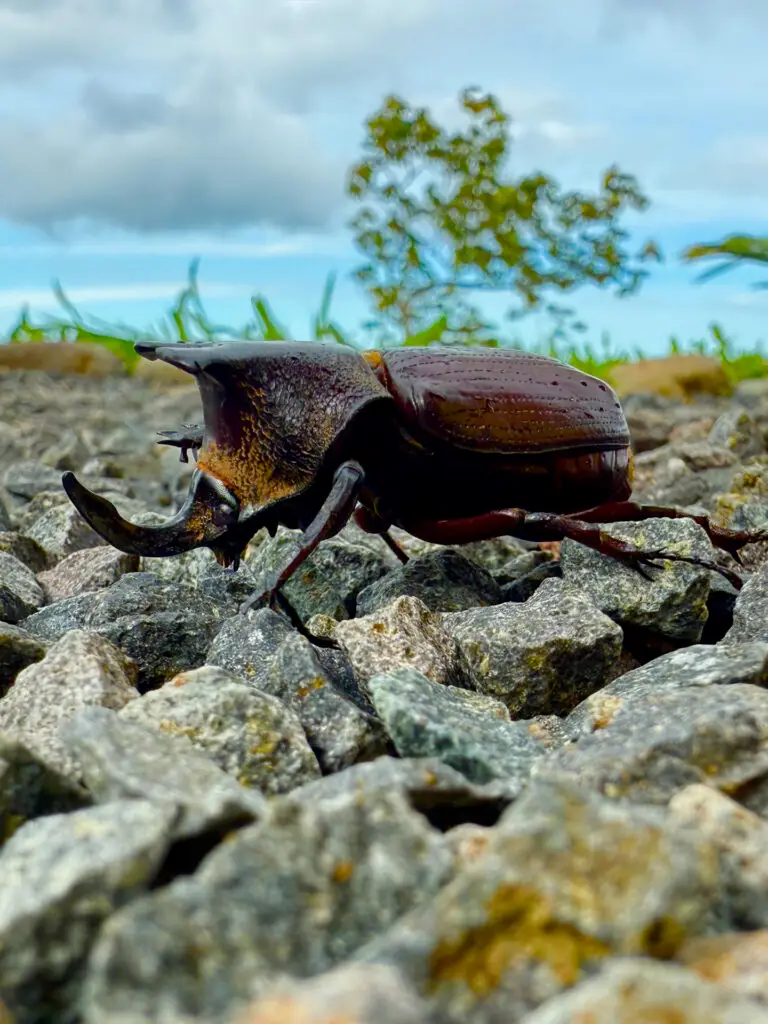
Let’s get specific – what can you expect daily on a property like the one in Velásquez above Miramar?
The gecko on the ceiling – your invisible housemate. It clings to walls and ceilings at night and eats mosquitoes. Consider it a roommate who demands no wages except an occasional insect.
Iguanas in the garden – the Green Iguana can grow up to 1.70 meters long and likes to sunbathe in trees. It is a pure herbivore and flees at any approach. Harmless and decorative.
Coatis (Pizotes) – the cheeky raccoon cousins that move through the garden in social groups of 10 to 30 animals, looking for fruit. Once the fruit trees on the property bear fruit properly, they will be regular guests. Entertaining, occasionally annoying, but never dangerous.
Butterflies in all colors – the Blue Morpho butterfly with a wingspan of up to 20 centimeters is not a rare sight in the mountain forests above Miramar. It flies through gardens and forest edges.
The howler monkeys in the morning – you will hear them first, long before you see them. And you will learn that this primeval sound, echoing across the valley in the fresh mountain air of Velásquez, is not a threat – but the acoustic symbol for “Welcome to Costa Rica.”
And then: the silence afterward. The birds. The morning.
What to Do If You Encounter a Snake?
Since this is the most frequently asked topic, here are the clear instructions:
In the garden: Stand still, slowly back away, keep your distance. Do not touch, do not try to catch or chase it away. Call Bomberos (fire department) at 911 – they will come and relocate it.
Prevention Around the House:
- Keep grass short, at least three meters clear space around the house
- Avoid piles of wood and stones (popular hiding places)
- Keep trash sealed (attracts rats → snakes follow)
- Repair water leaks (attracts frogs → snakes follow)
- Dogs in the garden are a natural snake deterrent
If a bite does occur:
- Stay calm, keep the bitten limb still and below heart level
- Clean with soap and water
- DO NOT cut, suck, or apply a tourniquet – that makes it worse
- Go to the hospital immediately – antivenom is free and available
- With timely treatment, the survival rate is over 99.6%
The Medical Infrastructure:
Better Than You Think – and Newly Built

A crucial reassuring factor that is rarely emphasized enough: Costa Rica’s healthcare system was ranked 36th worldwide by the WHO – one place above the USA. The state health insurance (CAJA) offers legal residents full coverage, including emergency treatment, and antivenom is available free of charge at all levels of care.
And now for something particularly relevant for people living in the Miramar and Velásquez region or looking to buy a house there: On January 31, 2025, the largest and most modern hospital in Central America was opened in Puntarenas city. No joke – a new building costing 225 million US dollars, financed by the Costa Rican Social Security Fund (CCSS) and the Central American Bank for Economic Integration (CABEI).
What this hospital offers:
- 75,000 square meters across five floors in ten interconnected buildings
- 14 operating rooms, including emergency and obstetrics ORs
- 21-bed intensive care unit, including 4 isolation rooms
- The first hospital in Costa Rica with its own heliport – for rapid patient transport from remote regions
- The country’s first semi-automatic pharmacy
- An angiography suite for cardiovascular procedures – patients no longer need to travel to San José for these
- Up to 350 beds, including 32 neonatal units
- Designed to serve 350,000 to 400,000 people in the Central Pacific region and parts of Guanacaste
For residents of Velásquez and Miramar, this means specifically: According to Google Maps, this hospital is only 23 kilometers and a 36-minute drive from the house – via National Secondary Route 144 directly down to Puntarenas. In an emergency – whether a snakebite, accident, or something else – Central America’s most modern emergency room is reachable in a good half hour. In the first two days after its opening alone, over 219 patients were transferred to the new facility.
The region around Velásquez and Miramar also has local health centers (EBAIS) for basic care, as well as clinics in Esparza. For real emergencies: call 911 – and the system works.
Read also: Health Insurance in Costa Rica: How the Caja Works for Expats – Everything about the state health insurance system, costs, benefits, and private alternatives for expatriates.
The Conclusion:
Nature is the Gift, Not the Problem
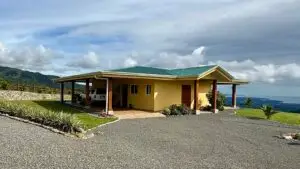
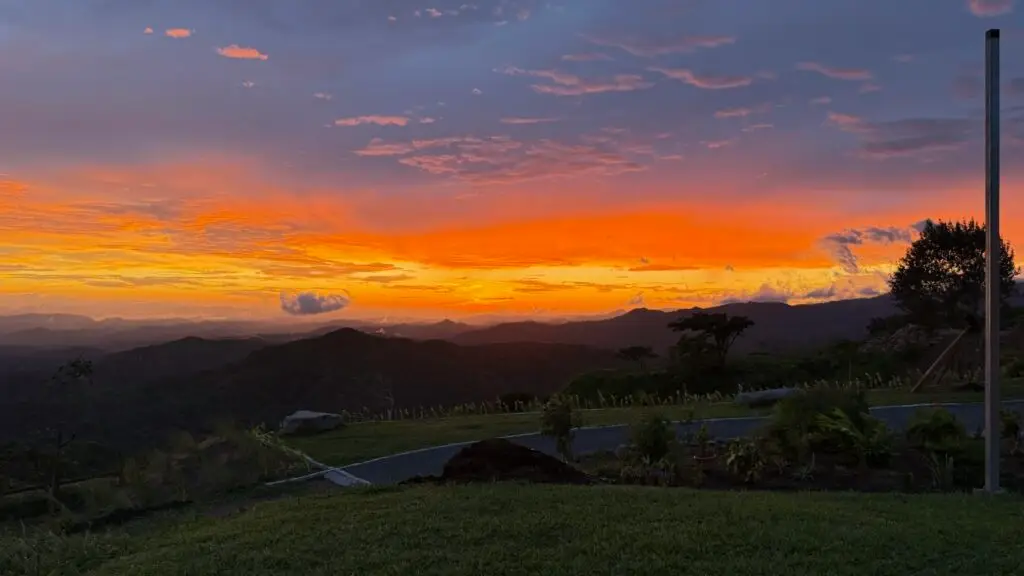
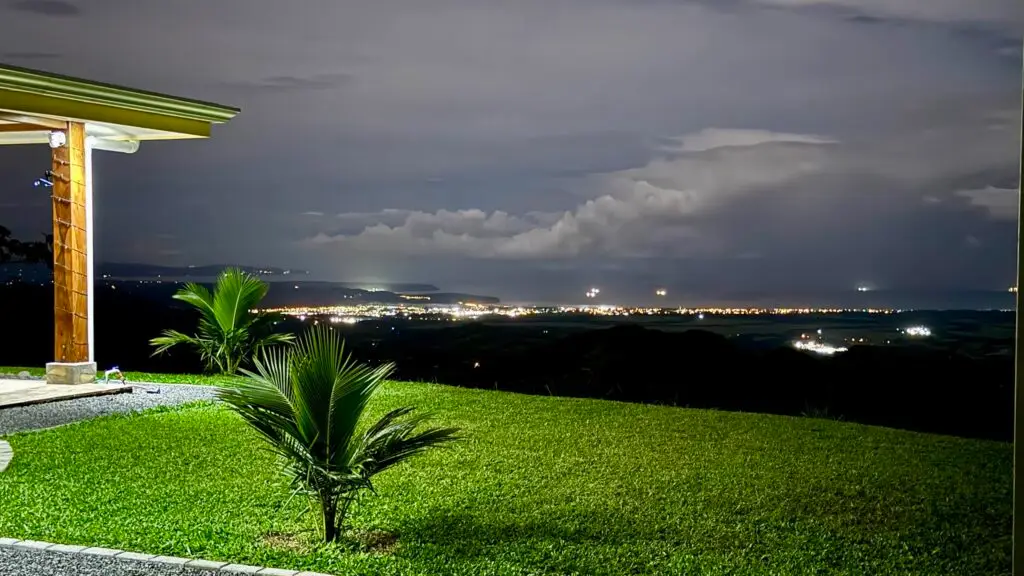
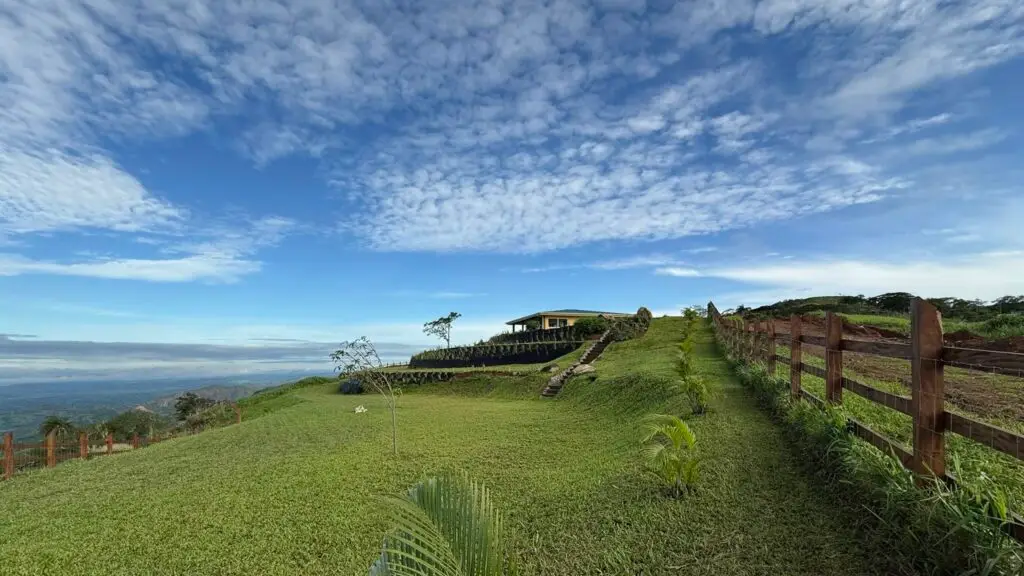
Those who live in Velásquez – in a modern house in a quiet elevated location directly above Miramar, with mountain views and a 5,000-square-meter property where fruit trees will still grow – live not despite nature, but with it and through it.
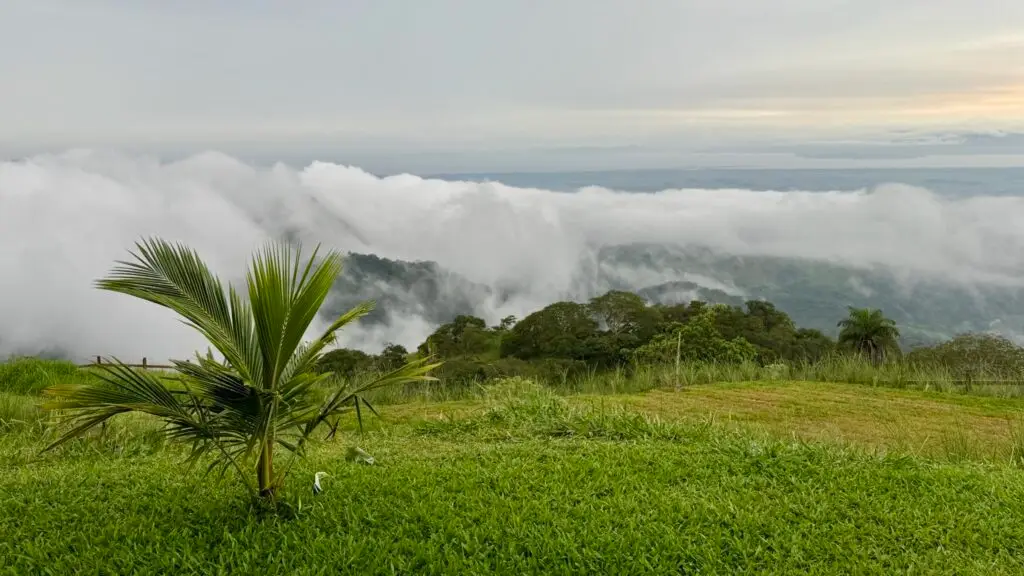
The morning concert of the howler monkeys, carrying from the slope across the valley. The small parrots flying in green-yellow-blue over the property. The gecko doing its duty on the kitchen wall in the evening. The butterflies in the garden. The view of the clouds drifting over the mountain ridge.
The risk from animals – with common sense and a few simple rules – is statistically lower than the risk on a German highway. The real dangers in Costa Rica are: road traffic and underestimated beach currents.
The wildlife, however, is one of the most extraordinary gifts this country has to offer. And Velásquez, in the mountains high above Miramar, at the intersection of highlands and the Pacific, is right in the middle of it.
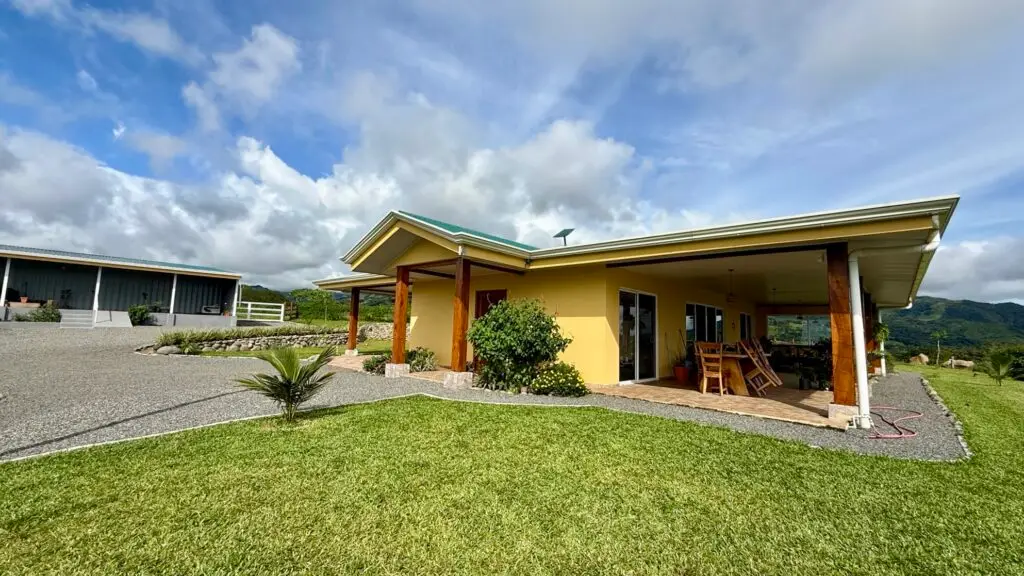
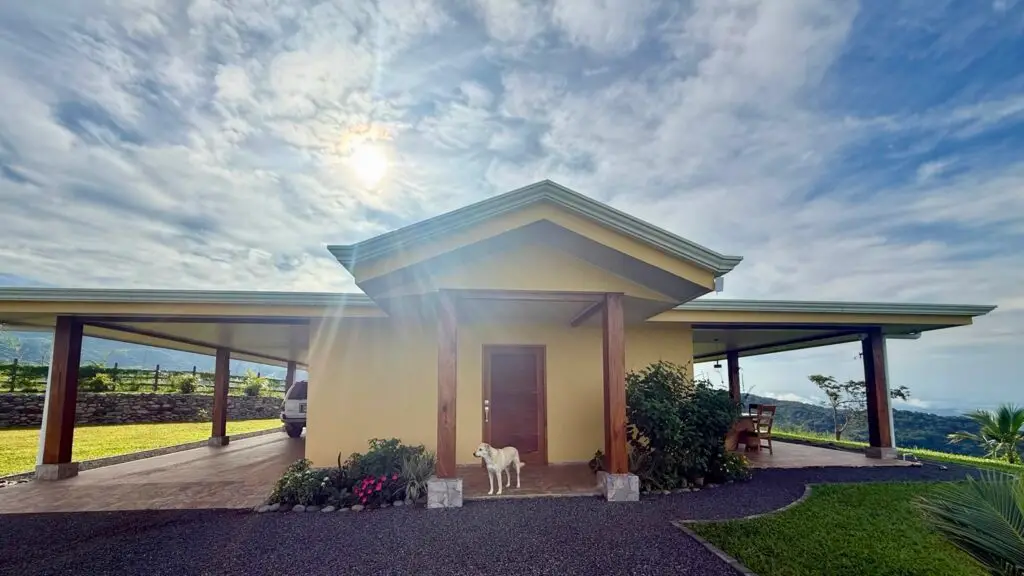
Do you have questions about the region or life in Velásquez above Miramar? Feel free to write to us directly – or come see the house and property for yourself.