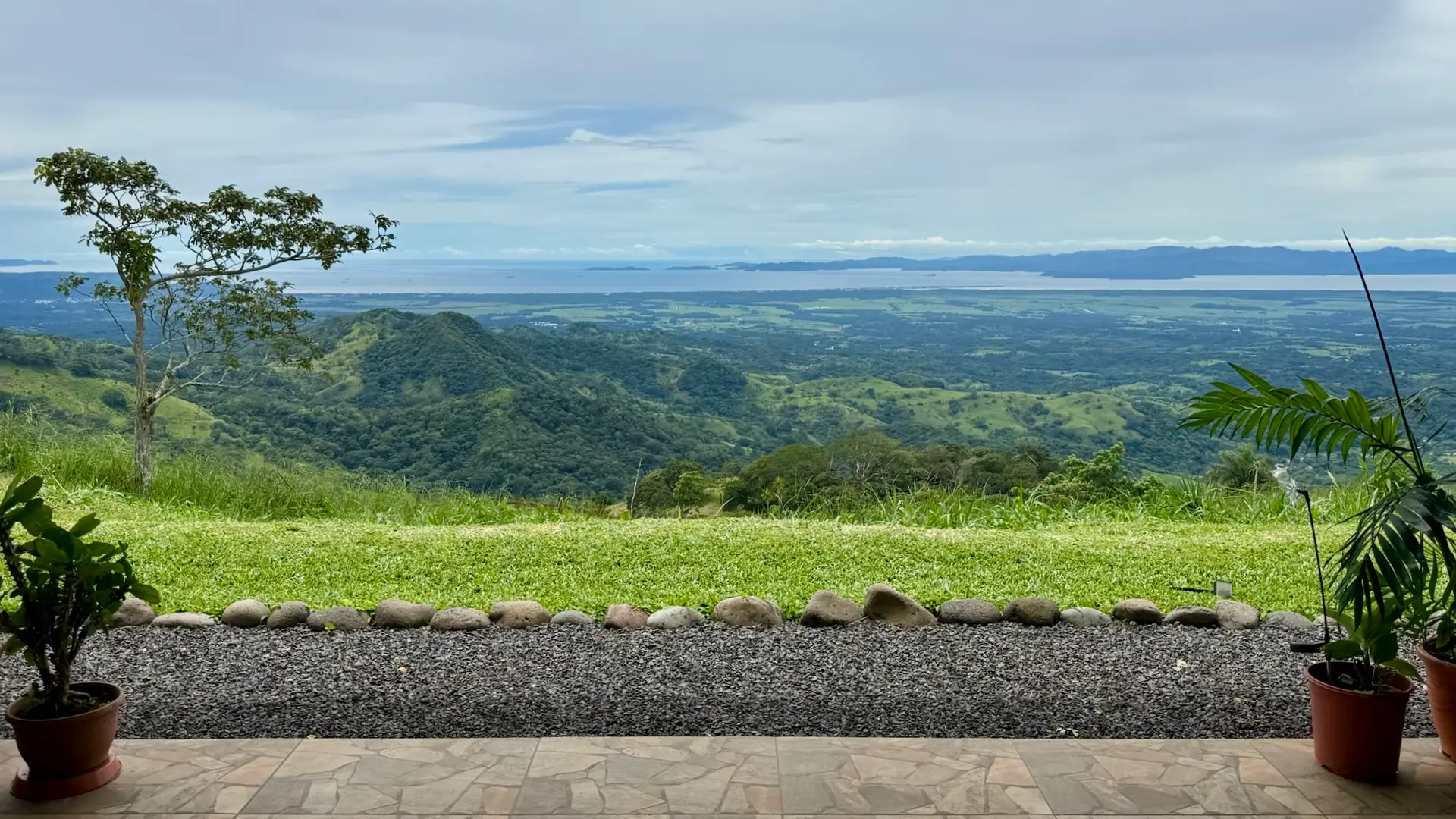
Late May. In Miramar, the sky begins to gather clouds in the afternoon. It smells of damp earth, and the surrounding hills shift from yellow-brown back to a rich green—and this is exactly when, for many, the best time of the year begins. It is called the Green Season, and when it comes to moving to Costa Rica, few things are as underestimated as it is.
Anyone who hears “rainy season” at a travel agency thinks of ruined days and endless grey rain. The reality is completely different. In this post, I clear up the misconceptions and show why the green season in Costa Rica is often the best time of all for anyone who truly wants to live here.
Dry season, rainy season, green season—what is what?
Costa Rica does not have four seasons, but two: the dry season (called “verano,” summer, in the country) from roughly December to April, and the rainy season (“invierno,” winter) from May to November. Because the term “rainy season” sounds so off-putting, the friendlier and more accurate term green season has become established.
On the Pacific coast—and therefore also here above Miramar in the province of Puntarenas—the green season runs roughly from May to October. What is important to understand: This does not mean it rains nonstop.
How the rain really falls
This is the point almost no one knows before they have been here: the rain comes on schedule, and it comes politely.
A typical day in the green season on the Pacific coast looks like this: the morning is bright and sunny, often cloudless. Late morning and midday stay warm and dry—ideal for anything you want to do outdoors. Only in the late afternoon or early evening do clouds roll in, followed by a strong, warm shower or a thunderstorm. Often the whole thing is over after one to two hours, the air is clear and cool, and the evening becomes calm again.
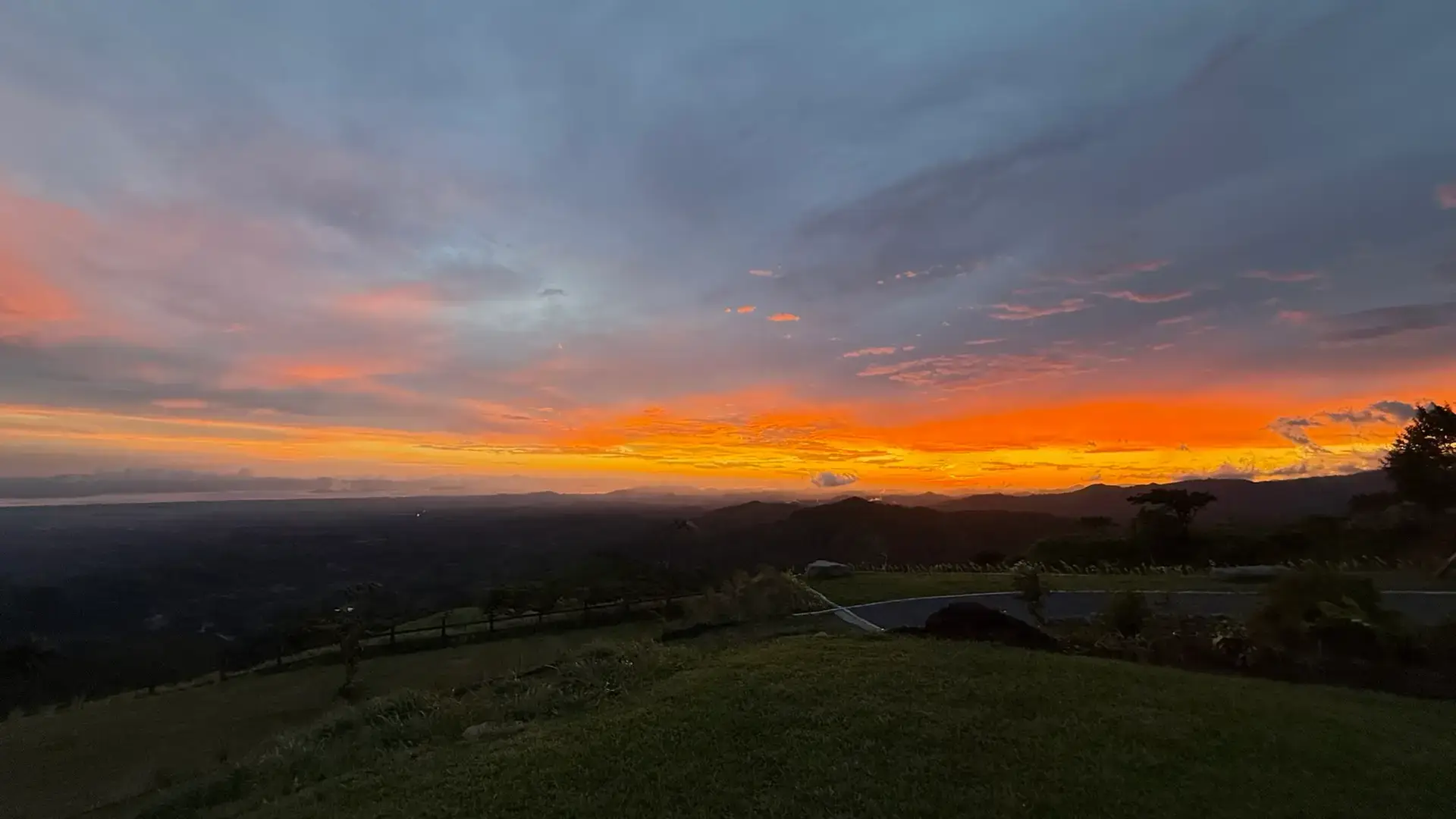
You quickly learn to live by it: schedule errands, outings, and work for the first half of the day, and enjoy the afternoon rain on the covered terrace with a coffee. For many expats, this rhythm becomes one of the most enjoyable parts of everyday life.
And there is even a short breather in the middle: roughly from mid-July to mid-August, the Pacific coast has the “Veranillo” (the “little summer”)—a phase with significantly less rain in the middle of the green season.
Five good reasons for the green season
1. The landscape explodes with green. During the dry season, the hills on the Pacific side turn yellowish-brown and dusty. With the first rains, everything transforms into a vibrant green within a few weeks. Those who experience Costa Rica this way truly understand why the country has its reputation as a natural paradise.
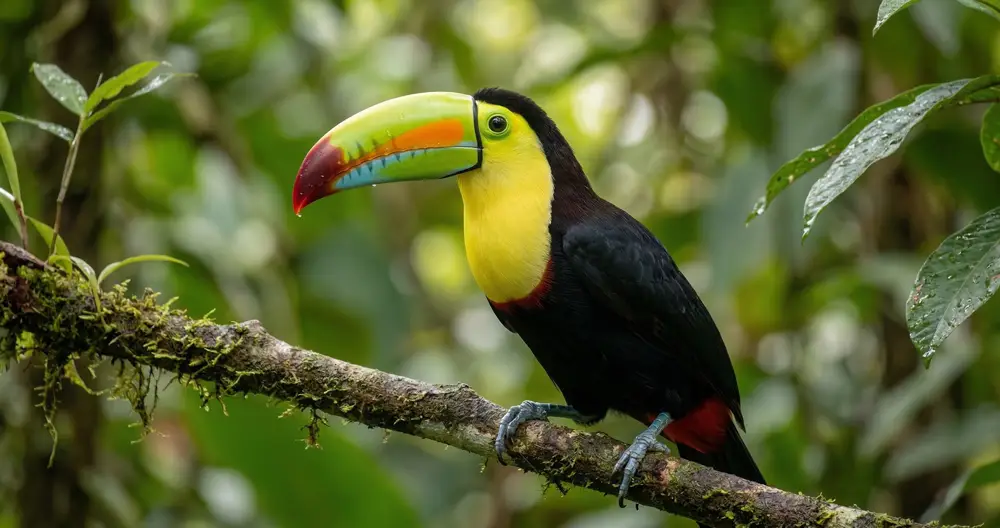
2. Nature is more alive than ever. With the rain, everything awakens. Rivers and waterfalls flow again, frogs and insects return—and with them, the birds. Howler monkeys, toucans, and countless species are especially active at this time. Anyone who enjoys watching wildlife will be rewarded.
3. Less hustle and bustle, more authenticity. The high season for tourists is the dry season. During the green season, it’s quieter, more relaxed, and more authentic – you experience the country as the Ticos themselves live. For people looking to move here, this offers the most honest impression.
4. It is the more affordable time. Flights and accommodations are noticeably more affordable during the green season. Those who want to explore the country for emigration or come for a visit will find it more affordable now – and still see the region at its most beautiful.
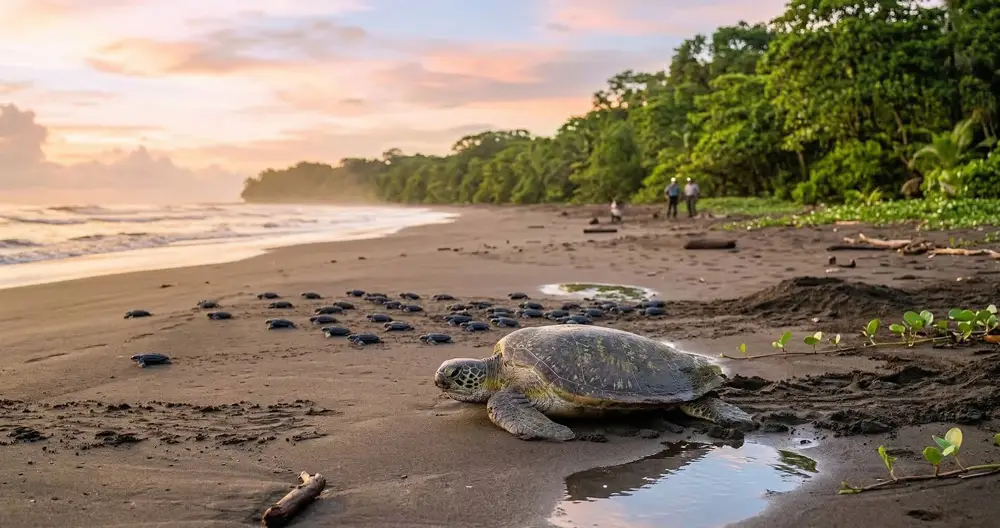
5. Natural spectacles you do not get at any other time. Between July and October, the Pacific coast is the best time to observe sea turtles nesting. During the so-called “Arribada,” thousands of olive ridley sea turtles come ashore – an experience that only the green season offers.
Honestly: What you should be prepared for
To keep this post honest—there are a few things that come with the green season: September and October are the rainiest months on the Pacific coast. On some days, it can rain for longer than just the afternoon. Unpaved roads get muddy, and a four-wheel-drive vehicle is a clear advantage in the hills. Laundry dries more slowly, and good ventilation helps against humidity in the house. None of this is dramatic—it is simply the rhythm the country lives by. And after one or two seasons, you would not want to be without it.
This is also where you can see why a solidly built house makes all the difference: a good roof, a large covered terrace, and well-planned ventilation turn the green season from a problem into a pleasure.
Living, not vacationing: Why the green season matters for expats
A vacationer books the dry season to guarantee two weeks of sunshine. But anyone who truly wants to live here should get to know the country in the green season. Because that is when you see what life feels like for half the year—and discover that the rainy season is not the opposite of quality of life, but part of it.
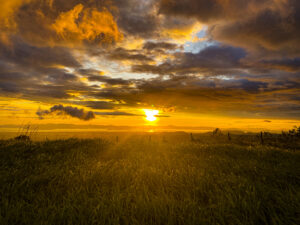
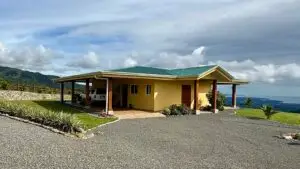
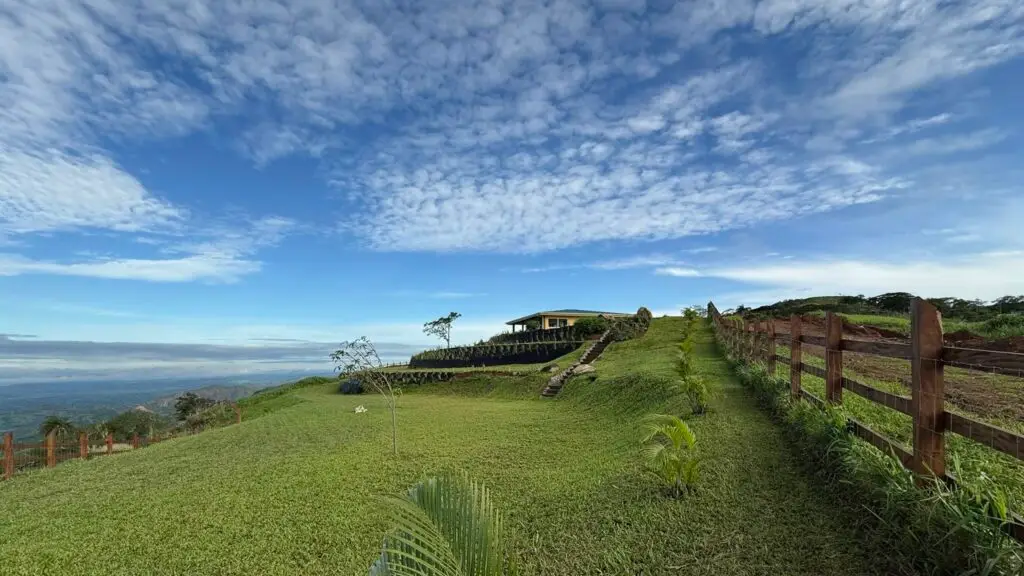
Our house above Miramar is at its best right now: the hills are green, the view over the Gulf of Nicoya gains its own drama with the passing clouds, and from the 52 m² terrace you can calmly follow the daily spectacle of sun, rain, and sunset.
If you want to experience Costa Rica not as a tourist but as your future home, the green season is the most honest—and most beautiful—time to do so.
Would you like to experience it for yourself?
Take a look at the house with 5,000 m² of land above Miramar or arrange a viewing—on site or via WhatsApp video call. If you would like to learn more about life here, you will find further honest insights in our posts on the World Happiness Report and health insurance in Costa Rica.