You do not buy a house out of fear. You buy it because you are planning ahead. That is exactly the difference between panic and a Plan B—and that is precisely what this article is about.
Anyone scrolling through the news in 2026 knows the feeling: a tense geopolitical situation in which conflicts in the Middle East can move the oil price—and therefore your fuel bill—within days. Inflation in Germany that stubbornly remains above the level people had actually gotten used to. And a noticeable uncertainty about how Europe will develop economically and politically over the coming years. There is no need to be dramatic about it. But it is a valid reason to stop keeping your wealth in just one place and in one currency.
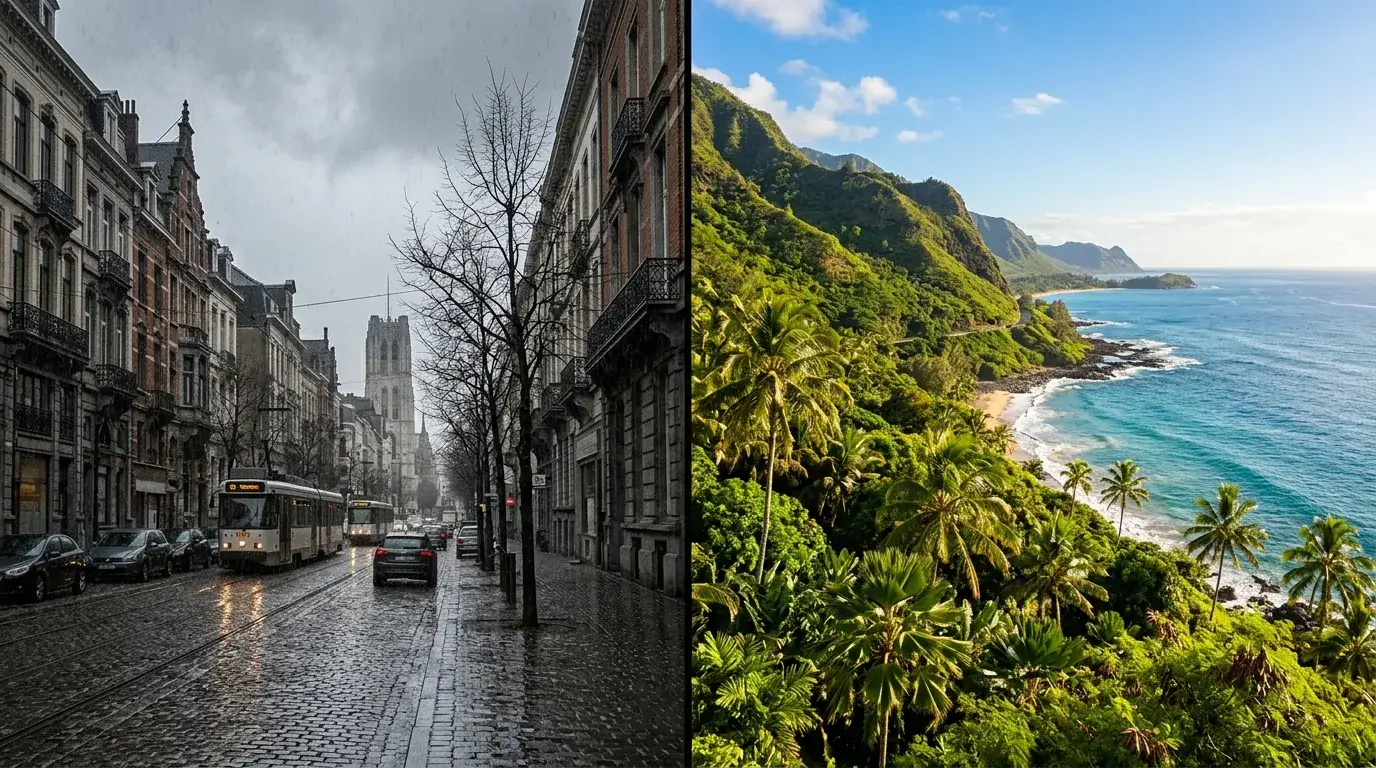
What is actually on the table in 2026
A few figures that do not invent this mood, but substantiate it:
- Inflation: Germany’s inflation rate was +2.8% in July 2026 (Federal Statistical Office) — noticeably above what savers can currently offset with an overnight deposit account.
- Geopolitics: The European Central Bank is now stating it openly: In a speech in June 2026, ECB President Christine Lagarde spoke of a “tense geopolitical environment in which the frequency of severe shocks is likely to increase” — energy, raw materials and market access are increasingly being used as leverage.
- Exchange rate: In mid-August 2026, the euro is trading at around US$1.15 — near a two-month high. Analysts see rates around 1.16 to 1.18 by year-end.
- Emigration: According to the Federal Statistical Office, around 288,600 Germans emigrated in 2025, while only about 190,000 returned — a net migration loss of around 97,000 people, more than the previous year (81,000). Since 2005, Germany has consistently recorded net emigration of its own citizens.
- High-net-worth individuals: According to the Henley Private Wealth Migration Report, Germany recorded a net loss of dollar millionaires for the first time in 2025 — around 400 more left the country than moved in. For 2026, Henley reports an increase of about 16% in emigration inquiries from German nationals, mainly due to bureaucracy, energy costs, planning uncertainty, concerns about political developments — and, among younger wealthy individuals, increasingly the desire for international diversification.
These are not doomsday scenarios. It is a sober trend: More and more people—and more and more wealth—are seeking a second pillar outside Europe.
Plan B does not mean fleeing—it means diversification
Anyone who keeps all their wealth in one currency, one country and usually also in bank deposits or paper assets does not have a portfolio—they have one single, very large bet. This is not a new insight; it is the core idea behind any serious diversification: don’t put all your eggs in one basket.
In this context, owning property abroad is no longer an exotic product; for many, it is a deliberate building block alongside stocks, gold or overnight deposits—for one simple reason: it is a tangible asset you can touch, use and, if necessary, live in yourself. It does not depend on a single banking system, it does not disappear if an account is frozen, and it is geographically outside the crisis hotspots you read about in European news.
Costa Rica offers tangible location advantages: no military since 1948, a politically stable democracy, ranked 4th in the World Happiness Report 2026, around 99% of electricity from renewable energy—and for foreigners, full freehold ownership is possible, not a leasehold model as in many other countries.
Why a completed house is the smarter first step
When people hear “Plan B,” they often think first of buying land and building themselves. From afar, in a foreign language and a different legal system, that is precisely the biggest risk: construction projects abroad drag on, become more expensive, and tie up capital for years—without creating a real place to retreat to during that time.
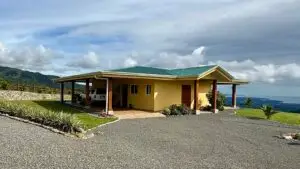
The house above Miramar skips this phase entirely. It was already completed in 2024, on a fully serviced, fenced 5,000 m² freehold property with 360° panoramic views of the Pacific and the Gulf of Nicoya.
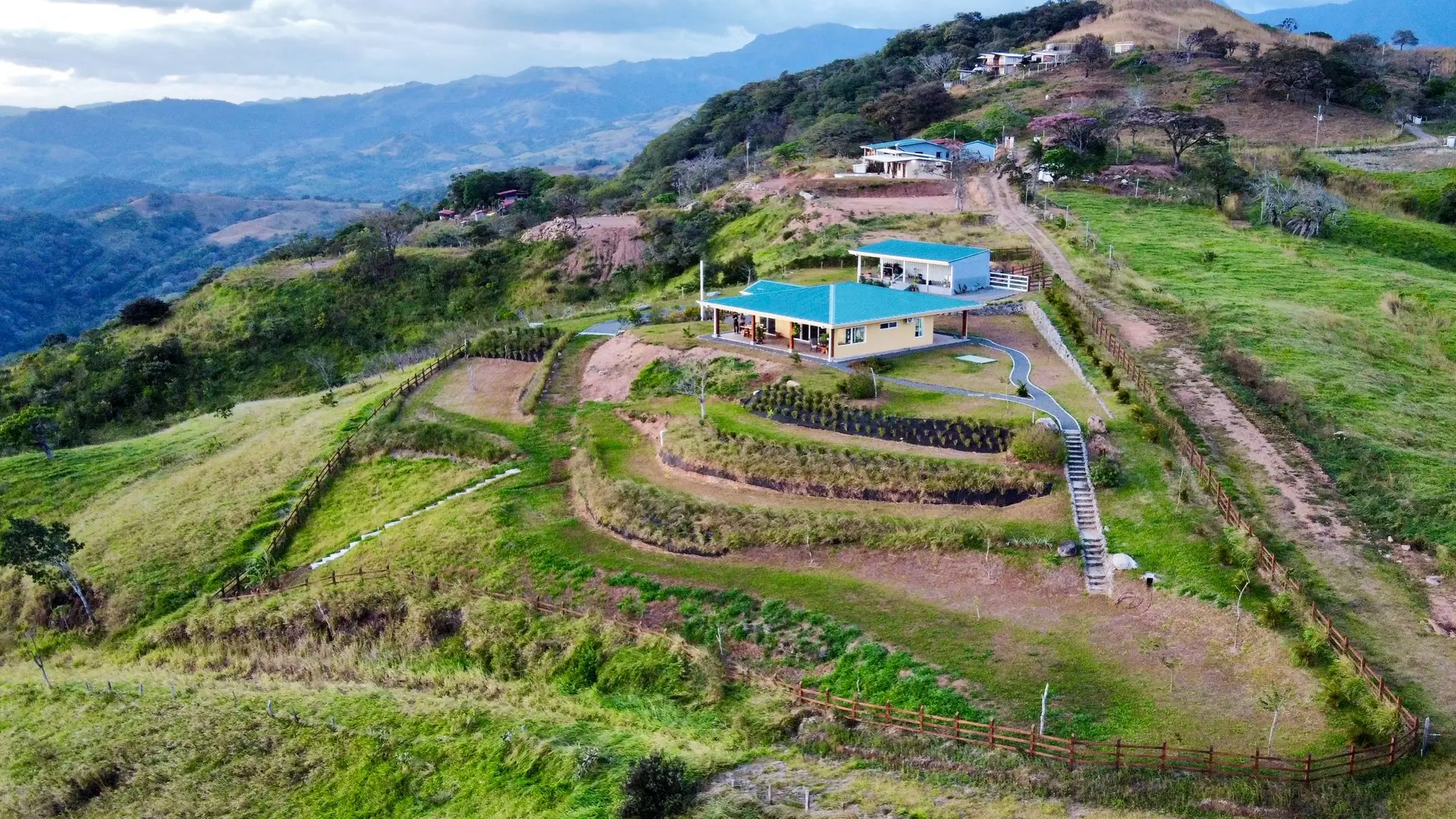
At a glance
- 90 m² living area + 52 m² terrace, living room, kitchen, bedroom, separate office/children’s room, bathroom
- 5,000 m² freehold property, terraced, with bodega/workshop (~36 m²)
- Water via the municipality, electricity via ICE, prepared for solar
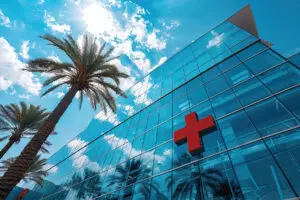
- Location above Miramar, Puntarenas Province – approx. 23 km to the modern Hospital Monseñor Sanabria
- Directly from the owner, no agent commission
- Live viewing on site or via WhatsApp video call possible
Alle Details zu Haus und Grundstück: → Haus & Grundstück ansehen
See for yourself: Costa Rica in motion
If you are interested in the specific euro–dollar advantage when buying—currently, the strong euro clearly benefits buyers from the eurozone—you will find the detailed calculation in the article “Emigrating to Costa Rica 2026: Why now is the right time”.
An important note before you continue reading
This article is not financial, tax or investment advice. It describes an observation (more Germans are diversifying their wealth geographically) and a very specific option (a completed house in Costa Rica). Whether and how property abroad fits into your personal wealth planning is something everyone should assess for themselves—ideally with an independent tax or financial advisor. We provide the facts about the house and about Costa Rica; the decision remains yours.
Conclusion: A Plan B costs nothing as long as you do not need it
You do not take out fire insurance because you expect a fire. You take it out because you want to be able to afford not starting from zero in an emergency. In the same way, a second pillar outside Europe can be understood: not as drama, but as a cushion of calm—a place that already exists, is livable, and, if needed, gives you real options instead of just reading headlines.
The house in Miramar is built for exactly that: completed, fenced, with ocean views—and ready when you are.
Curious? Learn more about the house & property → or schedule a viewing—on site or via WhatsApp video call. The price is available on request—feel free to make an offer using the form on the viewing page.
Also read: Emigrating to Costa Rica – the euro–dollar opportunity 2026 | Emigrating to Costa Rica – ranked 4th in the World Happiness Report 2026 | Health insurance in Costa Rica – the Caja for expats